A Practical Guide for Importers, Wholesalers, and Food Businesses
Introduction
Choosing the right canned tomato paste for bulk purchase is not just about price—it directly impacts your product quality, customer satisfaction, and long-term profitability. Whether you are a food manufacturer, distributor, or importer, understanding the key selection criteria can help you avoid costly mistakes and build a stable supply chain.
1. Understand Brix Level (Solids Content)
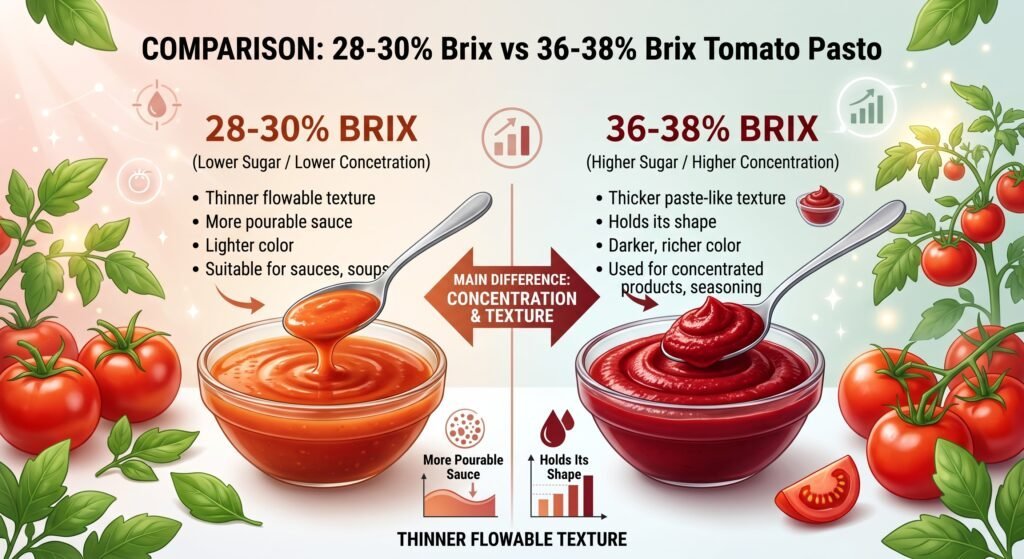
The Brix level indicates the concentration of tomato solids and is one of the most important factors in tomato paste quality.
- 28–30% Brix: Standard concentration (most common for industrial use)
- 36–38% Brix: Double concentrated (thicker, richer flavor)
- 18–20% Brix: Lower concentration (more diluted, cheaper)
Tip:
Higher Brix means better yield in food processing and lower transportation cost per unit of solids.
2. Check Raw Material Origin
The origin of tomatoes significantly affects color, taste, and consistency.
- China (Xinjiang): High yield, competitive price. Here is to learn about 2026 years tomato paste price trend .
- Italy: Premium quality, strong branding value
- USA (California): Stable quality, industrial standard
Why it matters:
Different markets have different preferences. For example:
- Africa → price-sensitive
- Europe → quality & origin-sensitive
3. Evaluate Packaging Options
Bulk buyers should choose packaging based on their supply chain and usage.
Common options include:
- 70g / 210g small cans (retail market)
- 400g / 800g / 850g cans (food service)
- 2.2kg / 3kg / 4.5kg cans (industrial use)
- Aseptic bags (220L drums for factories)
Key consideration:
- Shelf life 1-2 years :
- Transportation efficiency
- End-user needs
4. Inspect Color and Consistency
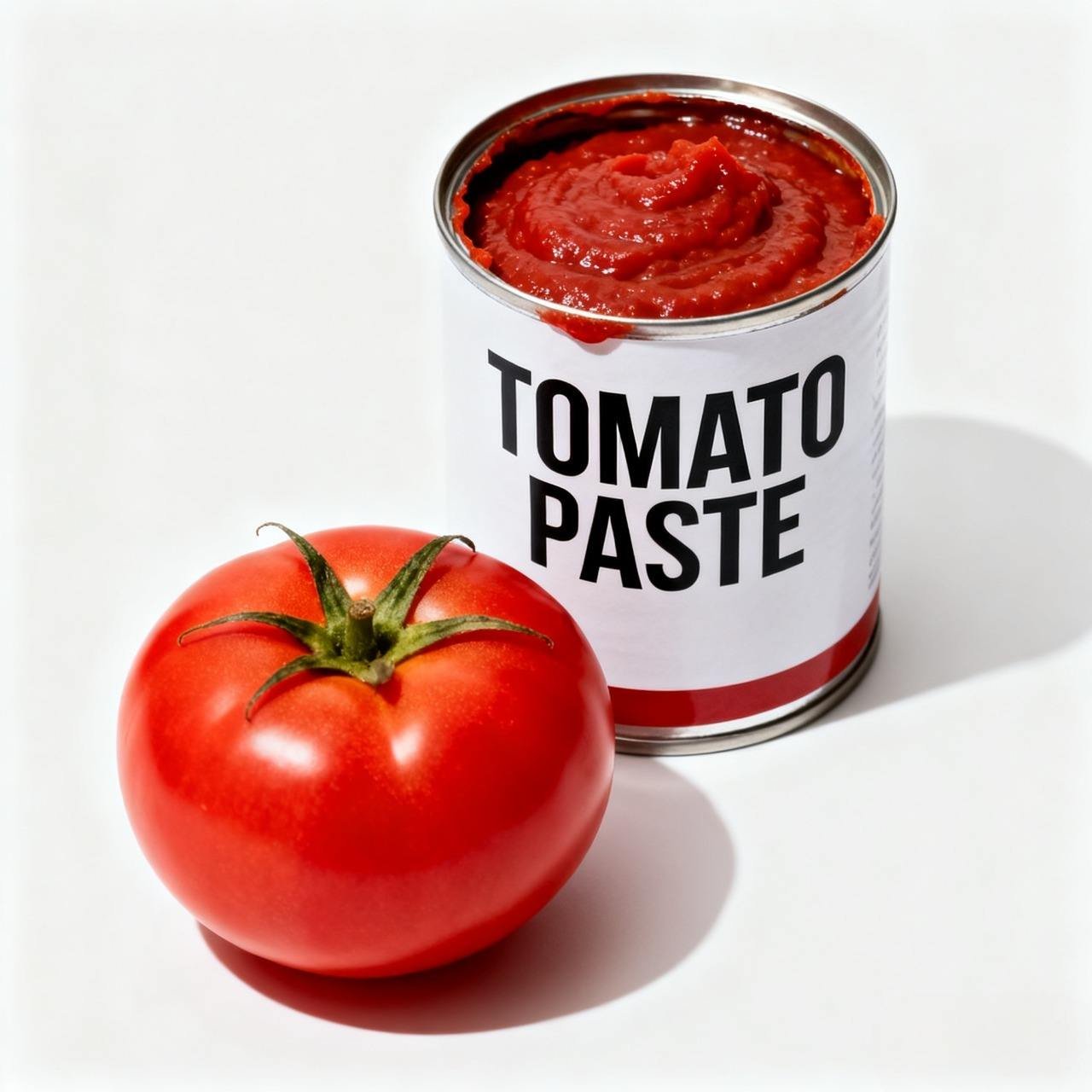
The visual and physical profile of tomato paste is the most immediate indicator of raw material quality and processing standards. For commercial manufacturing, consistency directly impacts your final product’s yield and aesthetic.
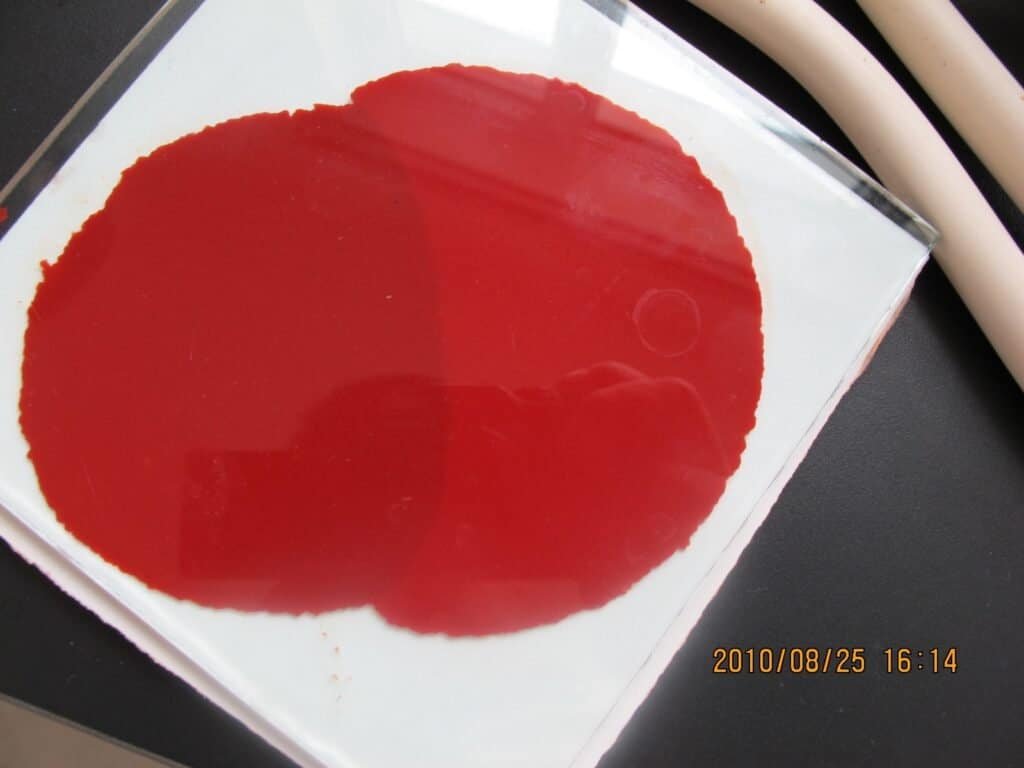
- Bright, Natural Red Color: Premium paste exhibits a vibrant red hue (often measured by the Gardner color scale). This indicates that the tomatoes were harvested at peak ripeness and processed rapidly using modern vacuum evaporation to prevent oxidation.
- Thick and Uniform Texture: The paste should possess a smooth, homogenous viscosity without lumps or graininess, ensuring seamless blending during secondary production.
- Zero Separation: High-quality paste will not exhibit syneresis (the separation of water and tomato pulp). A stable emulsion proves proper pectin retention during the thermal break process.
Red Flags to Avoid:
- Brownish or Dark Red Tones: This typically results from overcooking (the Maillard reaction) during concentration, poor temperature control, or the use of overripe/spoiled raw materials.
- Excessive Liquid Pooling: Indicates a low Brix level disguised by thickeners, or fundamentally flawed processing.
5. Review Ingredients and Additives
In the bulk B2B market, maintaining a “clean label” is crucial. Your raw materials dictate the compliance of your final retail products.
- 100% Pure Formulation: Standard commercial tomato paste should contain only concentrated tomatoes (and occasionally salt, if specified by the buyer).
- Zero Preservatives: Authentic bulk paste relies on high-temperature sterilization and aseptic packaging (e.g., aseptic bags in steel drums) for preservation, not chemical additives.
Red Flags to Avoid:
If a supplier’s spec sheet hides undeclared starches, artificial colorants (like Red 40), or chemical preservatives, it indicates severe adulteration. Using such low-grade paste will compromise your own product quality and risk massive regulatory fines.
6. Certifications and Compliance
International agricultural trade is heavily regulated. Without airtight documentation, your shipment risks being impounded at customs, causing catastrophic production delays.
A reputable factory must provide the following baseline compliance documents:
- HACCP & ISO 9001/22000: Proves the facility operates under strict, internationally recognized food safety and quality management systems.
- FDA Registration: Absolutely mandatory if you are importing into the United States market.
- Halal & Kosher Certifications: Essential for penetrating Middle Eastern, Southeast Asian, and specialized global markets.
7. Compare Price vs. Real Value
Sourcing managers often make the critical mistake of buying based solely on the “price per metric ton.” In tomato paste procurement, you are paying for tomato solids, not water. You must evaluate the Price per Solid Content (Brix-adjusted).
| Brix Concentration | Water Content | Logistics Efficiency | Production Yield |
| 22-24% (Single) | High | Poor (Paying freight for water) | Requires higher volume per batch |
| 30-32% (Double) | Low | Excellent (Standard commercial efficiency) | High yield for ketchup & sauces |
| 36-38% (Triple) | Very Low | Maximum | Ideal for heavy-duty reconstitution |
The Bottom Line: A cheaper 22% Brix product will drastically inflate your shipping costs and require you to use significantly more paste per batch to achieve the desired flavor profile. A slightly higher upfront cost for 30-32% Brix paste ultimately lowers your landed cost and improves manufacturing margins.
8. Supplier Reliability and Production Capacity
Securing a low price means nothing if the factory cannot deliver consistently throughout the year. Tomatoes have a strict, short harvest season (typically August to September); your supplier must have the infrastructure to sustain your operations year-round.
- Annual Production Capacity: Verify that the factory can handle your scaling demands without subcontracting to lower-tier facilities.
- Stable Sourcing: Ensure they have direct control over their agricultural supply chain (contracted local farms) rather than buying random batches on the open market.
- Export Experience: A seasoned supplier anticipates container loading optimization, maritime shipping schedules, and specific regional customs requirements.
Pro Tip: Always request a live virtual factory tour, recent third-party audit reports, and photos of their aseptic drum warehousing before signing an annual contract.
9. Request Samples Before Bulk Order
Never commit to a multi-container contract based purely on a specification sheet. Always require a Pre-Shipment Sample (PSS) drawn directly from the production lot you are purchasing.
- Organoleptic Testing: Evaluate the raw taste, aroma, and mouthfeel to ensure it lacks metallic or burnt notes.
- Application Testing (Crucial): Do not just test the paste in a lab. Run a pilot batch in your actual manufacturing environment. Whether you are producing pasta sauce, ketchup, or ready-to-eat meals, you must verify how the paste’s viscosity, acidity (pH), and color behave when mixed with your specific ingredients and subjected to your cooking temperatures.
Conclusion
Selecting the right canned tomato paste for bulk purchase requires a balance between quality, price, and supplier reliability. By focusing on Brix level, origin, packaging, and certifications, you can make informed decisions and build a more competitive product line.
Call to Action
Looking for a reliable canned tomato paste supplier?
We provide consistent quality, competitive pricing, and flexible packaging solutions for global buyers.