
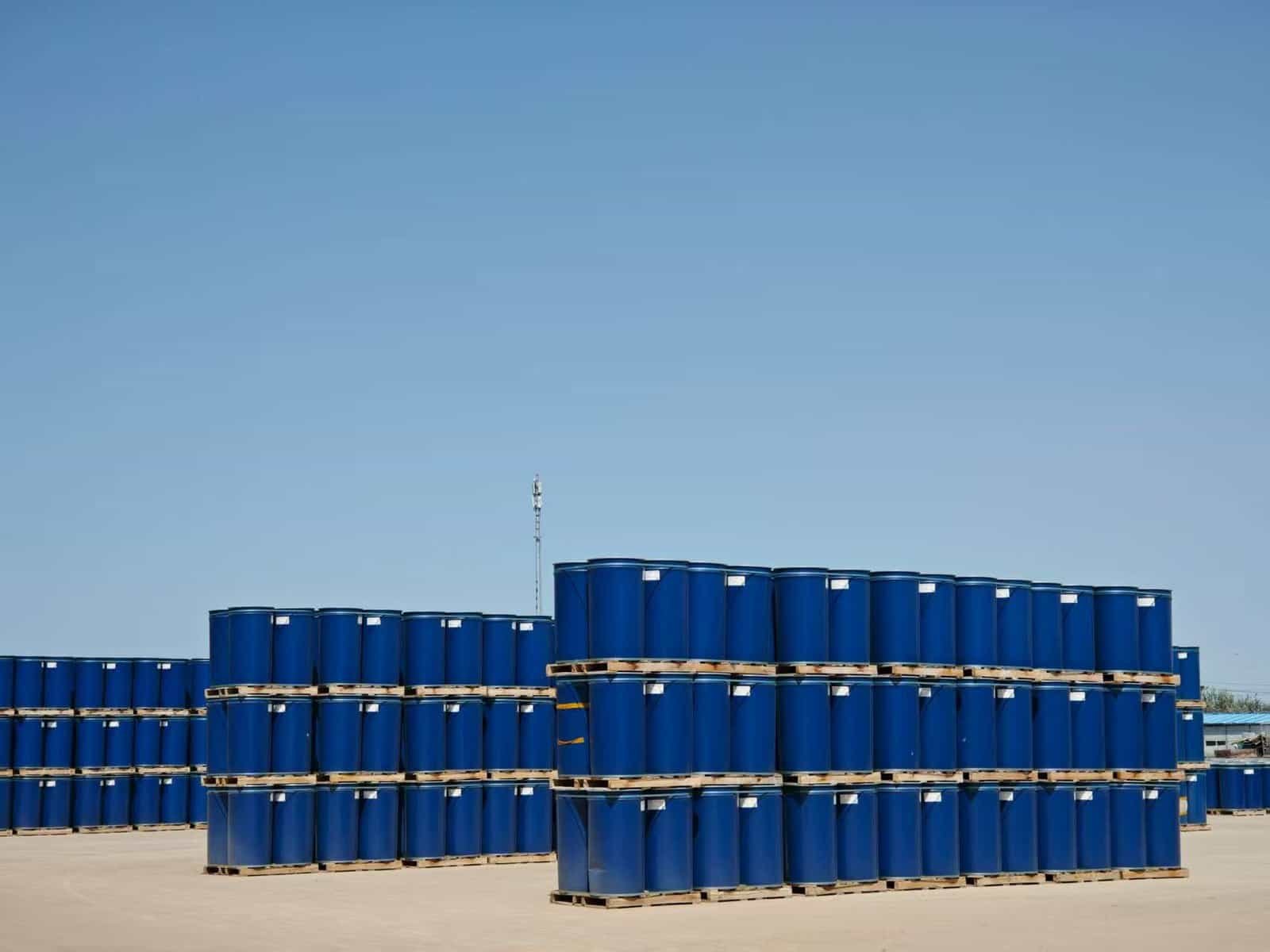
With the official commencement of the Xinjiang processing tomato season on August 1st, all tomato processing enterprises across the region have successively started production for an estimated two-month processing cycle. However, at the beginning of the new season, the global tomato product market is presenting a complex “paradoxical” trend: on one hand, there is a historical return to balance in basic raw material supply and demand; on the other hand, there is extreme cost inflation driven by geopolitical conflicts.
I. Industry Fundamentals: Global Capacity Returns to Rationality with a Solid Supply-Demand Base
Looking at the agricultural sector and macro-capacity, the global tomato product market is emerging from the extreme cycles of previous years.
- Historical Cycle Repair: The industry has moved past the tight supply and high-price environment of 2023, followed by two consecutive years of large-scale planting expansion and inventory adjustments in 2024 and 2025. Currently, the high industry inventory has been effectively digested.
- 2026 Overall Expectation: According to the latest international industry statistics, the global processing volume of processing tomatoes in 2026 is estimated to be approximately 39.8 million tons. Global market supply and demand have essentially returned to balance, and the basic raw material sector is no longer a factor causing market panic.
II. Core Contradiction: The Systemic Crisis Triggered by “Tomatoflation”
Despite the balanced supply and demand of raw materials, terminal product prices for the new season show a strong upward expectation. The core driving force of this abnormal phenomenon does not come from the fields, but from the continuously escalating geopolitical crises.
Since the Iran War and the blockade of the Strait of Hormuz in March 2026, a vertical inflationary spiral has erupted in the global supply chain. Because the process of taking tomatoes from the field to the can is highly dependent on energy and global industrial support, this crisis has dealt a precision strike to the tomato processing industry, a phenomenon termed by the industry as “Tomatoflation.”
This week, the United Nations officially classified this crisis as a “food security time bomb,” strictly pointing out that the market volatility it triggers will far exceed the supply chain shocks of 2022.
III. Cost Deconstruction: The “Triple Squeeze” Facing Processors
The current localized geopolitical conflicts have essentially “blockaded” the three major industrial pillars upon which the tomato processing industry relies, resulting in manufacturers facing an unprecedented cost “triple squeeze”:
- Energy Costs (Natural Gas): The production of tomato paste requires a massive amount of thermal energy for moisture evaporation, a process heavily dependent on fossil fuels like natural gas. The deteriorating situation in the Middle East has directly driven up global benchmark energy prices, causing factory manufacturing costs to soar.
- Packaging Materials (Tinplate and Aluminum): Affected by the blockade of the Strait of Hormuz, the aluminum and tinplate supply chains in the Middle East have been severely disrupted. Packaging material prices have skyrocketed, even leading to an extreme price inversion where “the can costs more than the paste.”
- Agricultural Inputs (Fertilizers): Out of strategic considerations to protect domestic food security, major global fertilizer exporters such as Russia and China have frozen or strictly limited fertilizer exports. This has left farmers in the West and other global producing regions facing record-high planting input costs.
IV. Logistics Nightmare and Price Forecasts for the Chinese Market
Beyond the surge in manufacturing costs, international logistics is becoming the final straw crushing buyers’ profit margins.
As of now, due to the ongoing war, shipping freight rates across major routes remain stubbornly high, with no turning point in sight for the short term. Under the dual superposition of ex-factory product costs and ocean freight, export quotations from the Chinese market will face a comprehensive revaluation:
- Elevation of the FOB Price Baseline: It is estimated that the ex-factory/FOB price for bulk drum tomato paste in the Chinese market for the new season will climb to $850 USD per ton or even higher.
- Freight Rate Inversion Phenomenon: For overseas buyers, a challenge even more severe than the increase in unit product price is the surge in ocean freight. On certain routes, the increase in logistics costs has far exceeded the increase in the cargo value of the tomato paste itself, which will drastically alter international buyers’ procurement pacing and CIF (Cost, Insurance, and Freight) calculations.
Conclusion and Outlook
The 2026 tomato processing season is no longer simply a matter of agricultural harvest or crop failure, but a battle for survival testing supply chain resilience and anti-inflation capabilities. Against the backdrop of high freight and raw material costs, locking in high-quality goods directly from the manufacturer and planning logistics space in advance will be the core game point in international trade for the second half of the year.
Sources: International Energy Agency (IEA), Insee France, Wood Mackenzie, Maritime Gateway, Maersk, Flexible Packaging Europe, Investing.com, J.P.Morgan, ICIS, Reuters, Food Ingredients First, Expana, Agrisole, Food Manufacturing ,Tomato news