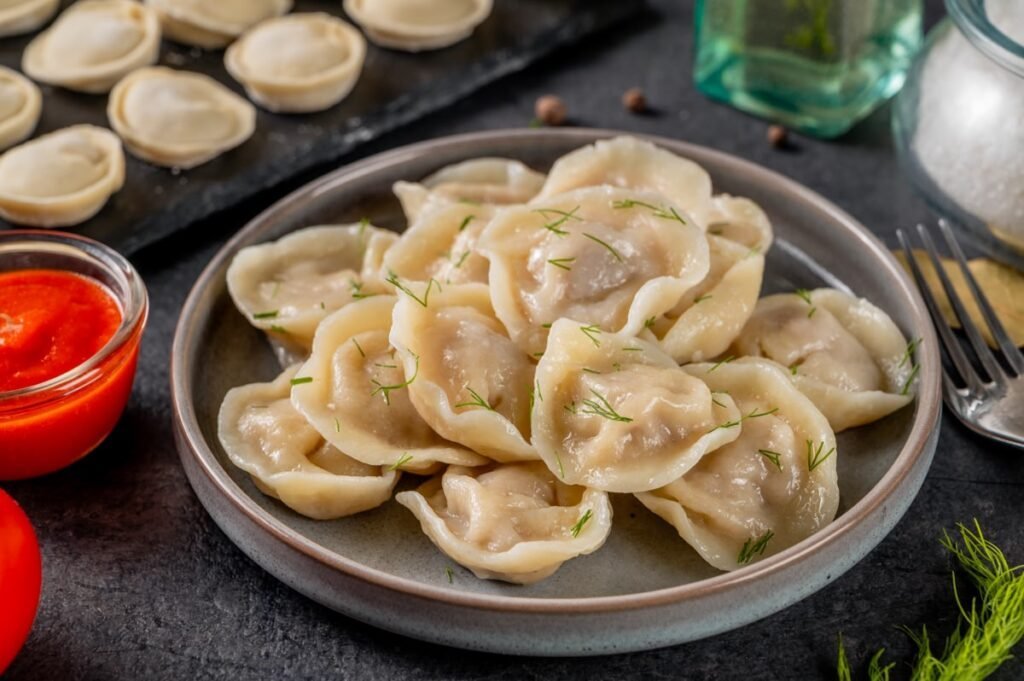
Executive Summary: The frozen food industry is unforgiving. For manufacturers producing frozen pizzas or traditional Russian Pelmeni, the tomato paste you source must survive -18°C deep freezing, high-speed automated assembly lines, and extreme winter logistics. Smart procurement directors know that standard solutions do not apply here. At Redora Food Company, we understand the formulation chemistry and logistical realities that drive the Russian market to overwhelmingly rely on 36-38% Cold Break (CB) Tomato Paste.
Before securing your next bulk order for your frozen food production line, you must ensure your tomato paste supplier can solve these four critical challenges.
1. The ROI Reality: Why 36-38% Cold Break is the Industry Standard
In the B2B frozen food sector, profitability starts with logistics.
While lower-concentration pastes (28-30%) exist, astute Russian procurement directors overwhelmingly import 36-38% Brix paste. Why? Because shipping from a global manufacturer to deep Russia involves significant ocean freight, rail transport, and import duties.
The Economic Solution: Buying 36-38% Brix means you are importing maximum active solid content and paying drastically less to “ship water.” It provides the ultimate base concentrate. Once it arrives at your facility, your formulation team controls the dilution rate, drastically lowering your landed cost per batch and maximizing your ROI on every container.
2. Freeze-Thaw Stability: The Flawless Starch Synergy
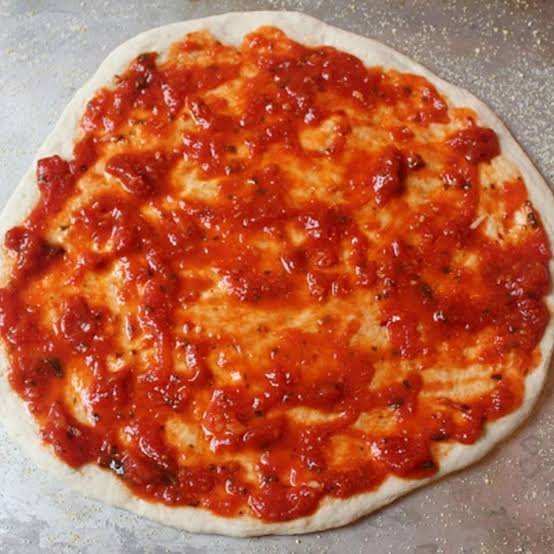
What happens when a consumer takes your frozen pizza out of a -18°C freezer and heats it? If the sauce’s cellular matrix collapses, releasing free water (syneresis), you end up with a soggy, unappetizing crust.
Instead of relying on the unpredictable natural pectin of the tomato, modern frozen food manufacturers rely on highly stable commercial thickeners (like modified starches) to lock in moisture and control the coating rate on high-speed assembly lines.
The Manufacturing Solution: To create the perfect anti-syneresis sauce, your thickeners need a flawless foundation. Our 36-38% Cold Break paste is filtered through ultra-fine 0.6mm screens. This guarantees an incredibly smooth, uniform texture free of skin fragments or seeds. This ultra-fine consistency ensures 100% flawless synergy with your modified starches, preventing any clumping and creating an unbreakable, moisture-locking matrix that survives endless freeze-thaw cycles.
3. Winter Logistics: The -30°C Anti-Freezing Challenge
For buyers in Russia or Northern Europe, procuring ingredients during the winter—especially when stockpiling before major Q1 events like the Prodexpo exhibition in Moscow—presents a massive logistical threat.
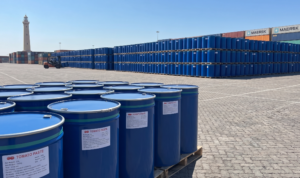
When a 220L steel drum of tomato paste is transported across Siberia in -20°C to -30°C weather, internal moisture can freeze and expand. This expansion easily ruptures the internal aseptic bags, leading to immediate spoilage once thawed.
The Logistical Solution: Shipping in extreme cold requires specialized export expertise. We secure your cargo using strict winter logistics protocols, including the installation of heavy-duty thermal insulating liners (thermal blankets) inside the shipping containers and optimized drum stacking arrangements to minimize frost penetration. Your paste arrives perfectly preserved, regardless of the Siberian winter.
4. Color Vibrancy: Combating the “Deep Freeze Dullness”
Freezing naturally dulls the visual appearance of food. In products like frozen Pelmeni or pizza, the tomato sauce must provide a sharp, appetizing contrast against the white dough. If you start with a heat-damaged paste, it will look like dark, muddy clay once frozen at -18°C, completely destroying the consumer’s appetite.
The Visual Solution: Thickeners can help adjust viscosity, but achieving a naturally rich tomato color depends heavily on the quality of the tomato paste itself. This is where Cold Break (CB) paste can offer an advantage. Because CB is processed at lower break temperatures, it generally helps retain a fresher color profile and reduces unnecessary thermal impact on tomato pigments. We closely monitor production to maintain strong initial A/B color values of 2.1+. Our 36–38% CB tomato paste provides concentrated tomato solids and vivid natural color, making it a suitable choice for frozen sauces and other applications where visual appearance is important.
Upgrade Your Frozen Food Production
Do not let syneresis, dull colors, or frozen shipments jeopardize your product quality. Sourcing the right tomato paste requires a manufacturer who understands the deep formulation chemistry and extreme logistics of the frozen food sector.
[ Contact the Redora Food Export Team ] Reach out today to discuss technical data sheets (COA), free samples of our ultra-smooth 36-38% Cold Break paste, and secure winter shipping solutions for your Russian production lines.