
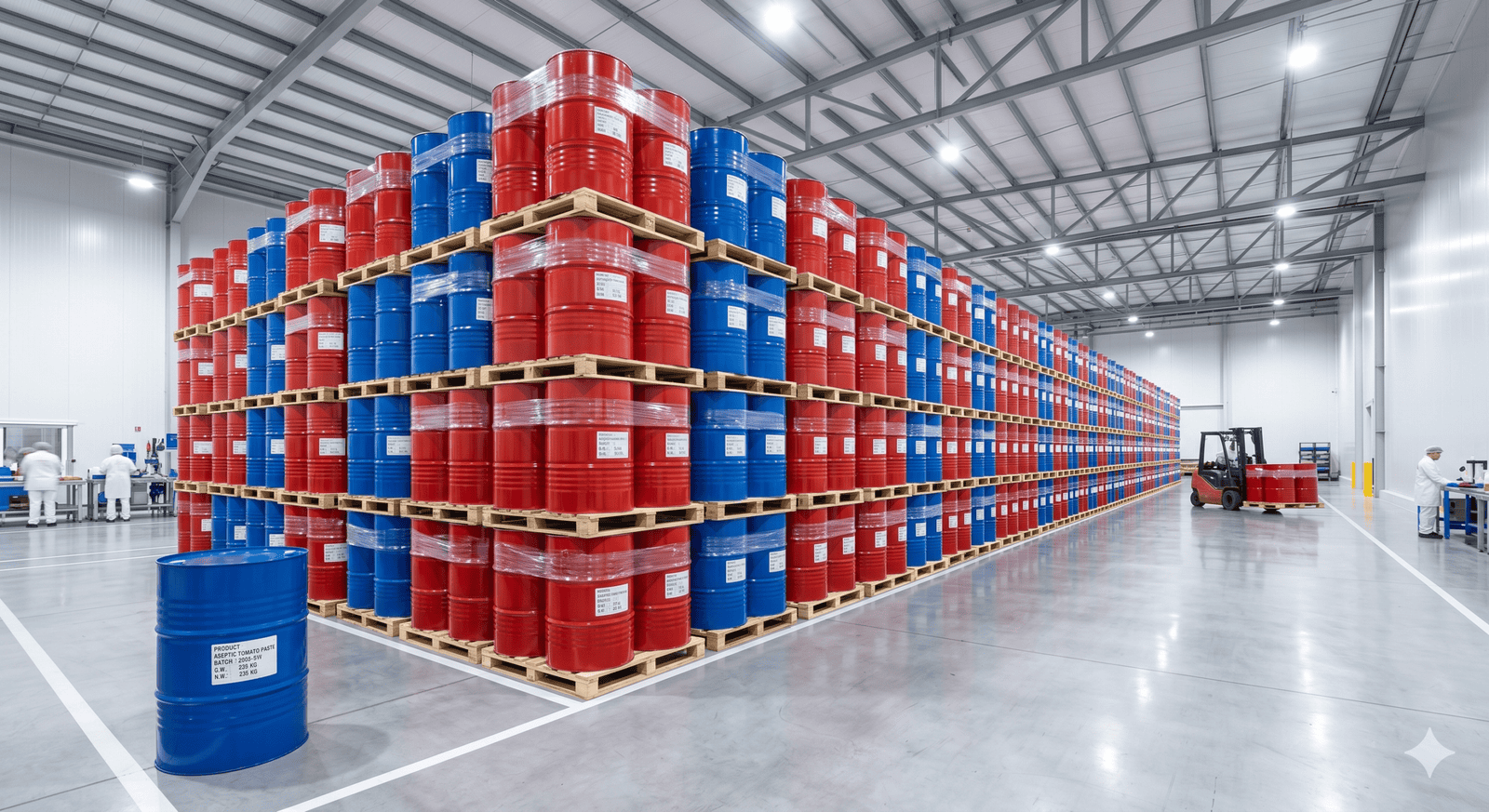
In bulk industrial food manufacturing, consistency, viscosity, and structural stability are the pillars of product quality. When procurement and R&D teams evaluate tomato ingredients, Hot Break (HB) tomato paste stands out as the ultimate solution for applications requiring a thick, robust body and excellent water-binding capacity.
Unlike its counterpart, Cold Break paste, Hot Break tomato paste is engineered specifically to retain the natural structural integrity of the tomato, making it an indispensable ingredient for global food processors.
1. What is Hot Break Tomato Paste? (Definition & Temperature)
The core differentiation of Hot Break processing is the immediate application of intense thermal energy to the fruit.
Hot Break Tomato Paste Definition: Hot break tomato paste is made by rapidly heating freshly chopped tomatoes to high temperatures ranging from 185°F to 212°F (85°C to 100°C).
This instant, high-heat flash process is a critical checkpoint on the factory floor. The rapid temperature spike instantly inactivates natural enzymes (such as pectinase and polygalacturonase) that would otherwise break down the tomato’s cellular pectin.
By freezing these enzymes in their tracks, the natural pectin remains completely intact. The structural result is a highly viscous, thick paste with excellent fiber retention, superior texture stability, and zero phase separation (water weeping) in final food products.
2. Core Specification: Tomato Paste 30-32 Brix Hot Break
While tomato paste comes in various concentrations, the industry standard and most globally demanded grade for this category is tomato paste 30-32 Brix Hot Break.
- The 30-32% Brix Balance: At this precise concentration, the paste strikes the ideal balance between cost-efficient ocean freight shipping and structural performance. It contains a high solid content that maximizes thick-binding properties upon reconstitution.
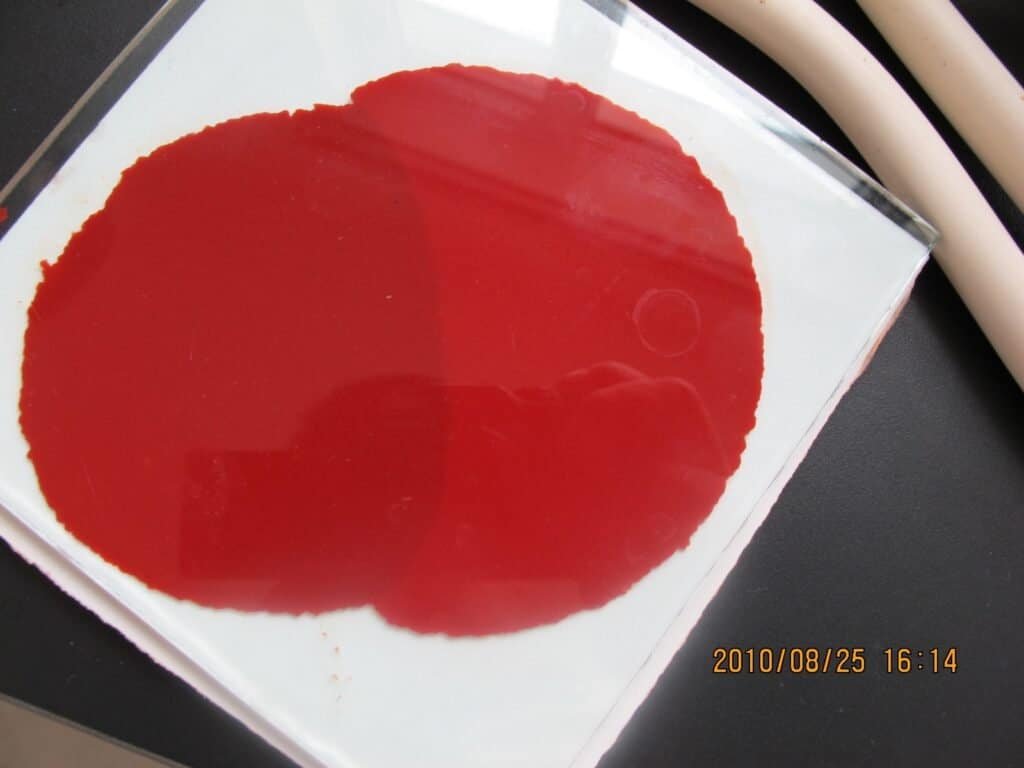
- Bostwick Viscosity Performance: A standard 30-32 Brix HB paste typically registers a Bostwick value of 3.0 – 5.5 cm / 30 seconds (tested at 12.5% Brix dilution), proving its highly viscous, slow-flowing nature compared to Cold Break grades.
3. Industrial Manufacturing: Hot Break Tomato Paste Processing & Equipment
Producing a stable 30-32 Brix HB paste demands a continuous, heavy-duty processing line capable of handling high-viscosity fluids without causing thermal scorching.
The Hot Break Tomato Paste Processing Flow
[Fresh Tomatoes] ➔ [Chopping / Mashing] ➔ [Flash Heating: 85–100°C] ➔ [Refining/Pulping] ➔ [Evaporation] ➔ [Aseptic Packaging]
Specialized Hot Break Tomato Paste Equipment
To maintain this intense processing flow, the production line relies on specialized engineering:
- The Hot Break Chopper & Flash Heater: Tomatoes are chopped and instantly dropped into a recirculating rotary flash heating system or a specialized tube-in-tube heat exchanger injected with high-pressure steam. This ensures the tomato mash hits the >85°C target within seconds of being crushed.
- High-Efficiency Concentrator (Tomato Paste Hot Break Evaporator): Concentrating a high-viscosity paste requires massive mechanical force. A Multi-Effect Forced Circulation Evaporator is used. Powerful internal pumps continuously force the heavy, thickening paste through the heating tubes at high velocity to prevent the product from sticking and burning onto the machinery walls.
- Two-Stage Turbo Refiner: Separates seeds and skins from the high-heat pulp, ensuring the final thick paste maintains a smooth, velvety micro-texture.
4. Storage Guidelines and Shelf Life Criteria
Proper post-production management is essential to keep Hot Break paste from losing its thickening power and visual grading over long-haul maritime logistics.
Ideal Storage Environment
Hot Break tomato paste must be stored in a cool, dry, well-ventilated warehouse, ideally maintained at a constant temperature between 10°C and 25°C (50°F–77°F) with low ambient humidity. The product must remain sealed inside its original, undamaged aseptic barrier bags.
Shelf Life and Quality Guarantee Timeframe
- Optimal Conditions (10–25°C): Under correct storage parameters, Hot Break tomato paste carries a dependable shelf life of 18 to 24 months. Because the pectin enzymes were completely destroyed during processing, the thick structure will remain highly stable throughout this duration.
- Suboptimal Conditions (>30°C): If exposed to high tropical temperatures or prolonged direct sunlight in warehouse yards, the shelf life accelerates downward to 6 to 12 months. High heat triggers the Maillard reaction, causing the paste to darken significantly and turning its sweet-savory profile into a bitter, caramelized notes.
5. Industrial Applications: When & Why Should You Deploy Hot Break?
Because of its heavy molecular body and exceptional water-retention capabilities, Hot Break tomato paste is the primary choice for global food formulators. Below are the key industrial sectors where 30-32 Brix Hot Break paste is an absolute necessity:
3.1 Premium Pizza & Pasta Sauce Manufacturing
In the commercial frozen food and restaurant supply sectors, syneresis (water weeping) is a major technical failure. If a tomato paste cannot bind water properly, moisture will separate during baking or reheating, resulting in a soggy pizza crust or watery puddles on top of cheese.
- The HB Advantage: The intact pectin matrix in Hot Break paste acts as a natural sponge, locking in free moisture and ensuring a rich, uniform coating that clings perfectly to pasta and dough under high-heat oven conditions.
3.2 High-Volume Table Ketchup Production
Commercial ketchup must possess that iconic, slow-pouring, shear-thinning behavior—it needs to stay thick on a plate but flow smoothly when the bottle is squeezed.
- The HB Advantage: Utilizing 30-32 Brix Hot Break paste allows ketchup manufacturers to achieve the required Bostwick thickness without relying on expensive artificial stabilizers, gums (like xanthan gum), or excessive starches. This enables a “clean label” product that appeals directly to modern health-conscious consumers.
3.3 Canned Soups, Chili, and Prepared Ready-Meals
For ready-to-eat canned goods that undergo rigorous retort sterilization (high-pressure, high-heat cooking inside the can), lesser ingredients will break down, causing the solids to sink to the bottom.
- The HB Advantage: Hot Break paste maintains its structural viscosity even after undergoing intense retort processing, keeping meats, beans, and vegetables perfectly suspended within a rich, velvety culinary matrix.
6. Secure Your Seasonal Forward Contracts with an Integrated Supplier
As a leading integrated supply chain manufacturer, we control the production cycle from seed selection to advanced aseptic processing. Hot Break production requires strict scheduling during peak harvest seasons to ensure the raw fruit possesses optimal natural pectin levels.
Whether your facility requires standard 30-32% Brix Hot Break paste or specialized packaging options, our team provides full technical compliance, consistent viscosity batches, and locked-in pricing structures.