In the global industrial food supply chain, choosing the right industrial ingredients determines the quality, taste, and cost-efficiency of your final product. When procuring bulk tomato paste, the primary technical distinction you will encounter is the heating process: Hot Break (HB) versus Cold Break (CB).
While Hot Break is known for its thickness, Cold Break (CB) tomato paste is the gold standard for food manufacturers who prioritize natural flavor intensity, vibrant visual appeal, and clean, fresh sensory profiles.
1. What is Cold Break (CB) Tomato Paste?
The defining characteristic of Cold Break tomato paste lies in its gentle, low-temperature thermal processing.
During production, fresh tomatoes are crushed and heated at relatively lower temperatures, typically between 65°C and 75°C (149°F–167°F), compared to the aggressive 85°C–100°C used for Hot Break.
[Fresh Tomatoes] ➔ [Crushing] ➔ [Gentle Heating: 65–75°C] ➔ [Evaporation & Concentration]
This controlled, mild heating approach fundamentally changes the physical and chemical characteristics of the final paste:
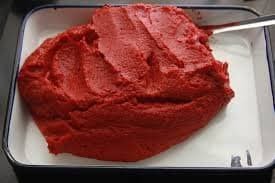
- Vibrant Color & Rich Flavor: Because volatile aromatic compounds and pigments are not destroyed by excessive heat, Cold Break paste retains its brilliant, lively red color and a distinct, freshly-harvested tomato taste.
- Lower Viscosity: In the tomato tissue, natural pectin-degrading enzymes (such as polygalacturonase) remain partially active at these lower temperatures. These enzymes naturally break down the soluble pectin, resulting in a thinner texture and a lower, less stable viscosity.
2. Core Industrial Specifications (Brix Options)
To meet diverse manufacturing requirements, Cold Break tomato paste is typically supplied in two primary commercial concentrations (Brix levels):
| Technical Specification | Characteristics & Textural Profile | Primary Packaging |
|---|---|---|
| 28–30% Brix Cold Break | Highly fluid, natural pourability, standard industrial concentration, rich in fresh volatiles. | Aseptic Bag in Drums / Wooden Bins |
| 36–38% Brix Cold Break | Highly concentrated yet retains premium color and acidity; perfect for mass production dilution. | Aseptic Bag in Drums |
3. Ideal Applications: Where Does Cold Break Excel?
Thanks to its superior organoleptic properties (taste, aroma, and color), Cold Break tomato paste is heavily favored in high-end food applications where the final product demands a bright red appearance and a punchy, fresh tomato profile rather than a thick body.
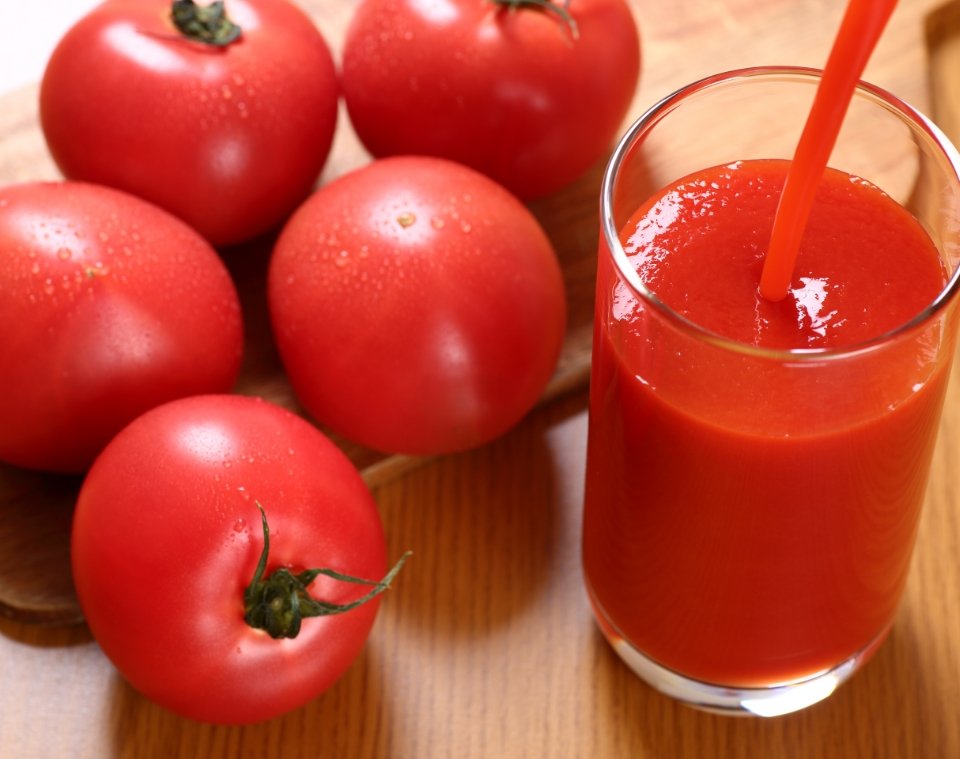
- Premium Tomato Juices & Beverages: Reconstitutes beautifully back into liquid form with a natural taste and zero “cooked” or burnt off-flavors.
- Table Ketchup & Condiments: Delivers the bright, eye-catching red color consumers expect on retail shelves.
- Thin Sauces & Marinades: Ideal for pizza sauces, barbecue sauces, and ready-meal bases that require a smooth, pourable texture.
4. Shelf Life and Critical Storage Conditions
Understanding the shelf life and quality guarantee period is crucial for global logistics and inventory management.
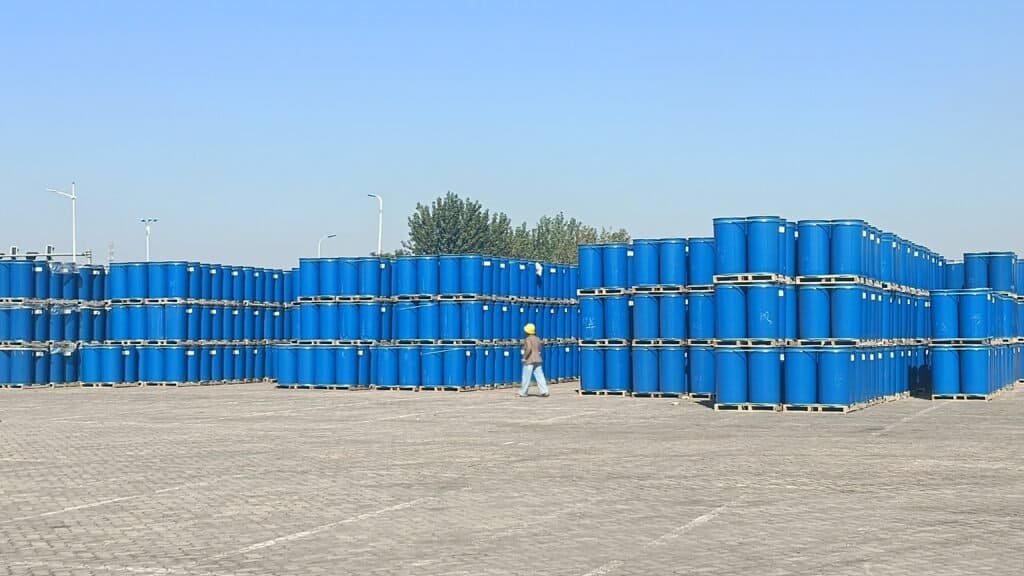
Under optimal storage conditions—which require a temperature range of 10°C to 25°C (50°F–77°F), low ambient humidity, and properly sealed, undamaged aseptic packaging—Cold Break tomato paste has a dependable shelf life of 18 to 24 months.
This estimation is rigorously backed by global industry standards and our extensive history in bulk product supply. However, it is vital to note that shelf life is highly sensitive to environmental factors:
- High-Temperature Risks: If stored in high-temperature environments (e.g., non-climate-controlled warehouses in tropical regions) or suboptimal packaging, the stable shelf life can significantly drop to 6 to 12 months, potentially leading to product browning (Maillard reaction) and flavor degradation.
5. Partner with a Reliable Integrated Supply Chain Manufacturer
Navigating seasonal production cycles, volatile market pricing, and technical specifications requires an experienced partner. As an integrated supply chain manufacturer, we bridge the gap between fields and your processing facility, ensuring consistent quality, strict certification compliance, and reliable logistics scheduling.
Whether you require a contract quote for 28-30% Brix or 36-38% Brix Cold Break tomato paste, or you want a deeper dive into our technical cold break processing methods, our expert export team is here to assist you.
Contact us today to request technical data sheets (TDS), current pricing trends, or product samples.