Product-related information
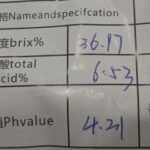
Tomato paste quality is determined by multiple factors, including raw material quality, Brix level, lycopene content, viscosity, and processing technology. Understanding these key parameters helps buyers choose the right product, reduce costs, and ensure consistent performance in food production.
Brix and lycopene are two of the most important quality indicators in tomato paste. While Brix determines concentration and cost efficiency, lycopene affects color and visual appeal. Understanding the difference helps buyers choose the right product for their specific applications.
Choosing the right Brix level is essential for optimizing cost, quality, and performance in tomato paste applications. This guide explains the differences between 22–24, 28–30, and 36–38°Bx, helping bulk buyers and food processors select the most suitable option for their needs.
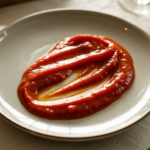
Brix in tomato paste refers to the concentration of soluble solids after water is removed. In global trade, 28–30°Bx is the most widely used standard, offering the best balance between cost efficiency and product performance.
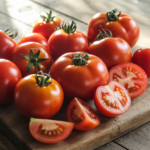
Brix in tomatoes refers to the percentage of soluble solids, mainly natural sugars and acids, in fresh tomatoes. It is a key indicator of flavor, ripeness, and processing efficiency. Typically, fresh tomatoes have a Brix level of 4–7°Bx, while higher Brix tomatoes are preferred for producing high-quality tomato paste with better yield and lower processing costs.
A Practical Guide for Importers, Wholesalers, and Food Businesses