
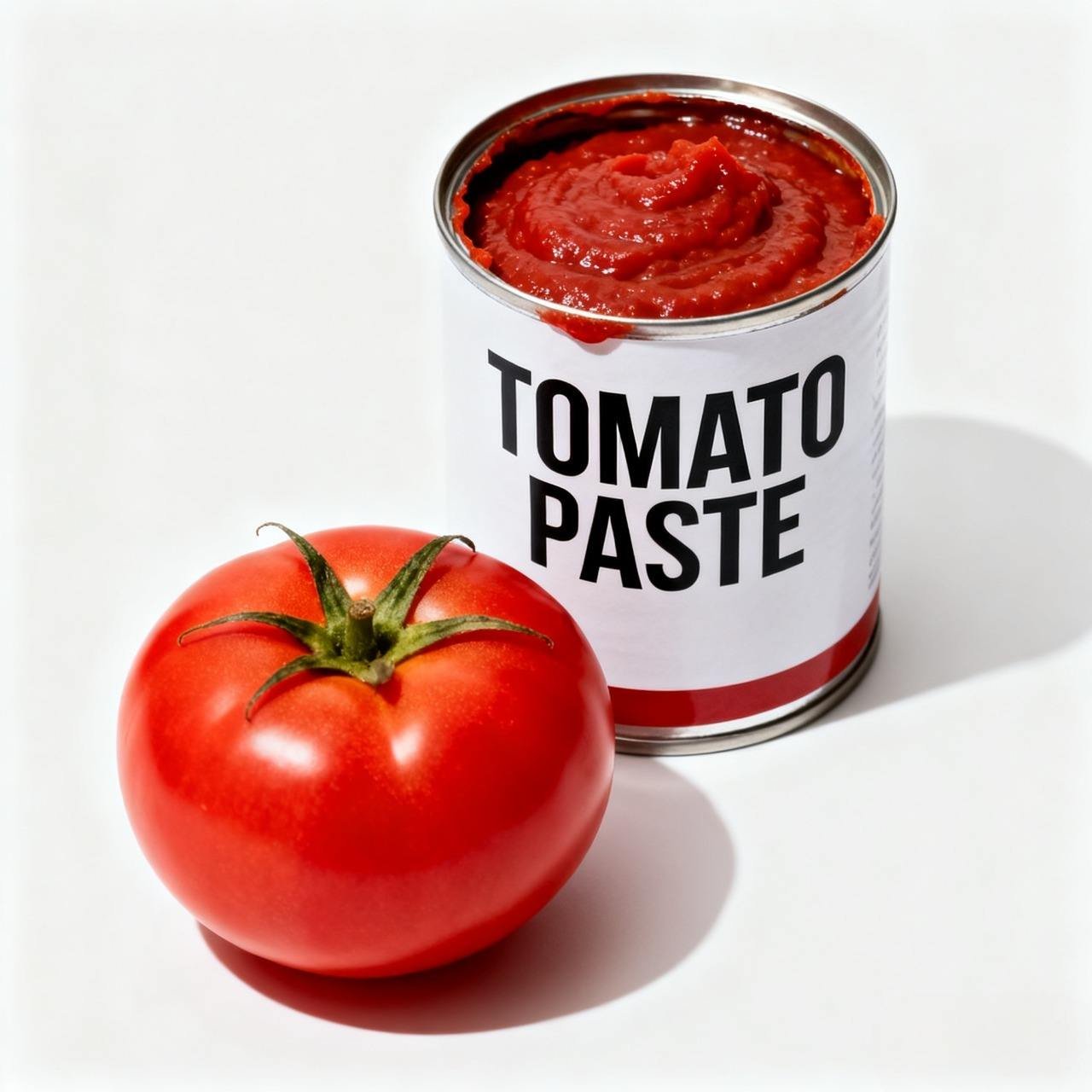
- Double concentrated tomato paste is a commercial term indicating a large amount of water has been removed from raw tomatoes, resulting in a thick, rich product.
- While consumers recognize retail brands like mutti double concentrated tomato paste, industrial manufacturers and B2B buyers know this exact product by its technical specification: 28-30 Brix tomato paste.
- This specific concentration is the undisputed global standard for bulk wholesale, offering the perfect balance of yield, transport efficiency, and flavor retention.
The Retail Name vs. The Factory Specification
When navigating the tomato paste market, buyers often encounter a gap between retail marketing terminology and industrial factory specifications.
If you walk into a supermarket, you will likely see tubes or small cans labeled as “double concentrated.” A classic example is the highly searched mutti double concentrated tomato paste, which is a premium retail product designed for home chefs.
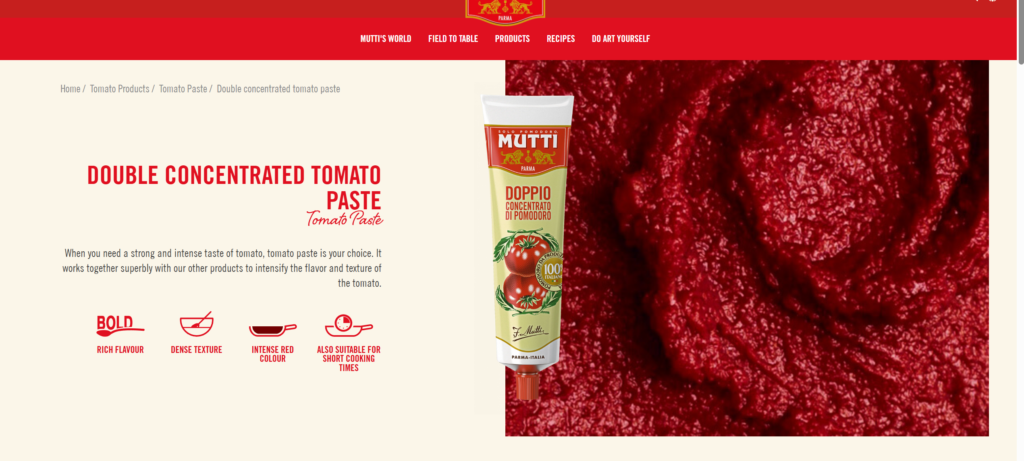
However, in the B2B supply chain and manufacturing world, we do not use the term “double concentrated” on commercial documents. For factories, food processors, and bulk importers, this exact level of concentration is strictly defined and traded as 28-30 Brix tomato paste. Understanding this translation is the first step to successful bulk procurement and avoiding miscommunication with international suppliers.
What Does “Double Concentrated” Actually Mean?
To understand the term, we must look at how tomato paste is made. Fresh, raw tomatoes naturally consist of about 94-95% water and only 5-6% tomato solids (sugars, salts, and acids).
During the manufacturing process, the tomatoes are crushed and heated in vacuum evaporators to remove the water.
- Single Concentrate: Generally refers to paste where water is removed until it reaches around 14-16% solids.
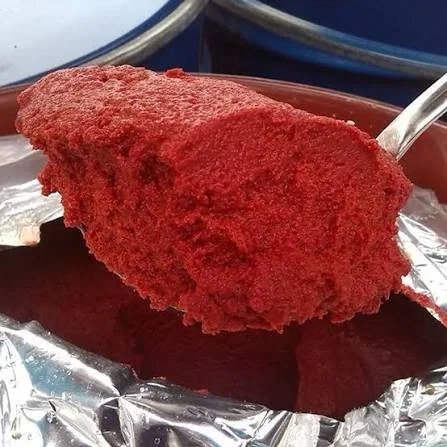
- Double Concentrate (28-30 Brix): The evaporation continues until the paste reaches 28% to 30% solids. It requires approximately 5.5 to 6 kilograms of fresh tomatoes to produce just 1 kilogram of double concentrated paste.
- Triple Concentrate (36-38 Brix): The evaporation is pushed even further until it reaches a highly dense 36% to 38% solids. It requires approximately 7 to 8 kilograms of fresh tomatoes to yield just 1 kilogram of triple concentrated paste, making it the ultimate high-yield choice for heavy industrial processing.
This concentration level is measured using the “Brix” scale. If you want to dive deeper into the technical science behind this measurement and how it affects your final product, you can read our comprehensive guide on what is Brix in tomato paste.
Why 28-30 Brix is the Global B2B Standard
There is a reason why double concentrated (28-30 Brix) paste is the most widely traded specification in the global bulk market. It provides exceptional commercial advantages for distributors and secondary processors:
1. Optimal Logistics and Shipping Costs
By removing a massive amount of water weight at the origin factory, you are not paying international ocean freight to ship water. The 28-30 Brix level provides maximum solid yield per 220L steel drum, significantly reducing your landed cost per metric ton.
2. Perfect Processing Viscosity
Unlike higher concentrations (such as 36-38 Brix), which can be extremely thick and difficult to pump, 28-30 Brix paste maintains a manageable viscosity. This makes it incredibly easy for food processing facilities to pump out of drums, mix, and dilute for recipes like pizza bases, pasta sauces, and generic ketchup.
3. Retail Repacking Efficiency
For distributors looking to import bulk drums and repack them into smaller consumer tins (like 70g, 400g, or 800g sizes), 28-30 Brix is the industry baseline. It delivers the intense color (high A/B value) and rich flavor profile that end-consumers expect when they purchase “double concentrated” products off the shelf.
How to Use Mutti double concentrated tomato paste
When cooking with Mutti double concentrated tomato paste, the key technique is to “toast” or caramelize it in hot olive oil for two to three minutes before adding any liquids. This browning process deepens the umami profile, sweetens the paste, and cooks off any raw, metallic acidity. It is the perfect culinary shortcut for enriching slow-cooked bolognese sauces, fortifying watery stews, or blending into marinades where you need an intensely rich tomato flavor without thinning out the final dish with excess water.
How to Use Double Concentrated Tomato Paste in Commercial Applications
Because double concentrated tomato paste (28-30 Brix) has such a high density of tomato solids and minimal water content, it cannot be used exactly like standard crushed tomatoes or puree. Whether you are an industrial food processor or managing a commercial kitchen, knowing how to correctly utilize this heavy-duty ingredient is crucial for maximizing yield and flavor.
Here are the primary ways our wholesale clients utilize double concentrated paste:
1. Industrial Reconstitution (Sauces & Ketchup)
For food processing factories manufacturing ketchup, BBQ sauces, or pasta sauces, the paste must be reconstituted.
- The Process: Manufacturers blend the 28-30 Brix paste with precise ratios of water, vinegar, sugars, and spices.
- The Benefit: Because the paste is highly concentrated, factories use significantly less volume per batch. This allows for precise control over the final product’s viscosity and flavor intensity without having to boil down excess water in their own facilities.
2. Commercial Kitchens & HoReCa (Stews, Soups & Bases)
In large-scale catering and restaurant environments, double concentrated paste is used as a powerful flavor enhancer and natural thickening agent.
- The Culinary Secret (“Cooking it out”): Chefs know that raw tomato paste can have a slightly sharp or metallic edge. To unlock its full potential, the paste should be briefly fried in oil or fat at the beginning of the cooking process. This caramelizes the natural sugars, deepens the red color, and releases a rich, umami flavor before other liquids (like broth or water) are added.
3. Retail Repacking
Many of our B2B clients purchase our paste in bulk 220L aseptic steel drums specifically for repacking. They pump the paste directly into consumer-sized packaging, such as 70g sachets, 400g tins, or aluminum tubes, applying their own retail branding for local supermarket distribution.
Source Direct from the Manufacturer
By understanding that retail “double concentrated” translates to factory “28-30 Brix,” you can bypass middlemen and source directly from an integrated manufacturer. This ensures you secure the best baseline pricing without paying for retail branding markups.
If you are sourcing for your food manufacturing facility or wholesale distribution network, you can explore our complete technical specifications and bulk packaging options by visiting our Double concentrated tomato paste product page.