
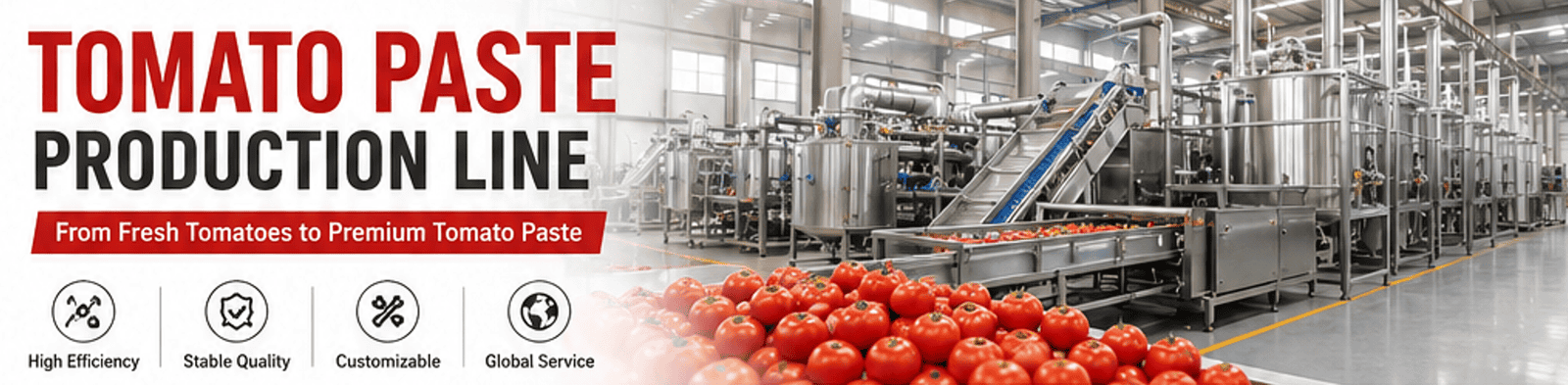
Whether you are a procurement manager sourcing for a global supply chain or a chef refining a signature recipe in 2026, canned tomato paste is an indispensable ingredient. But what exactly transforms a simple field crop into this rich, deeply concentrated pantry powerhouse?
At its core, canned tomato paste is a thick, highly concentrated reduction of mature red tomatoes. By utilizing thermal evaporation and vacuum sealing in advanced manufacturing facilities, it captures the intense savory-sweet essence (umami) of the tomato, preserving it without the need for artificial additives.
This comprehensive guide serves as your ultimate hub to understand everything about this product—from factory production and ingredient safety to commercial sizing and shelf life.
1. What is in Canned Tomato Paste? (Ingredients & Composition)
When you look at standard canned tomato paste ingredients, the list is refreshingly short. According to global food standards, authentic industrial tomato paste contains exactly one primary ingredient: Tomatoes.
The intense flavor and thick texture do not come from thickeners or artificial flavorings; they are the result of removing up to 80% of the natural water content. The final chemical makeup is purely derived from the raw fruit:
- Natural Sugars: Fructose and glucose determine the product’s density (often measured as Brix).
- Organic Acids: Naturally occurring citric acid maintains the low pH ($< 4.6$), giving the paste its tangy profile.
- Lycopene: The powerful natural antioxidant that provides the iconic crimson red color.
- Note: Some retail versions may add a trace amount of natural salt for flavor, but pure B2B industrial paste is typically unseasoned.
Does Canned Tomato Paste Contain Gluten?
For buyers strictly monitoring allergens and food safety, pure canned tomato paste is 100% naturally gluten-free. Because it is processed in dedicated tomato-focused facilities without any grain-based fillers, modified starches, or thickeners, it safely meets all global celiac and gluten-sensitive dietary definitions.
2. How is Canned Tomato Paste Made? Inside the Factory
To guarantee consistent quality, understanding how canned tomato paste is made is crucial. As an integrated manufacturer, the journey from the agricultural field to the final sealed tin relies on precision engineering inside a modern canned tomato paste factory.
- Harvest & Sorting: Fresh, thick-walled plum tomatoes are harvested at peak ripeness and immediately transported to the factory for thorough flume washing and optical sorting.
- Crushing & The “Break” Process: The tomatoes are chopped and rapidly heated.
- Hot Break (85°C – 95°C+): Instantly deactivates pectin enzymes, yielding a highly viscous, thick paste ideal for ketchup and rich sauces.
- Cold Break (65°C – 75°C): Preserves fresh aroma and brighter color, resulting in a looser texture perfect for juices and light bases.
- Vacuum Evaporation: The pulp is passed through multi-stage vacuum evaporators at lower temperatures to gently extract water without caramelizing or burning the sugars.
- Sterilization & Canning: The concentrated paste is commercially sterilized and piped into tins. The cans are then hermetically sealed to completely block out oxygen and bacteria.
3. Standard Canned Tomato Sizes for Every Market
Whether for a home pantry or a large-scale commercial kitchen, canned tomato sizes are highly standardized across the global supply chain to optimize shipping and usage:
- 70g – 156g (Approx. 6 oz) Tins: The standard retail size. Because the paste is highly concentrated, a few tablespoons are usually enough for domestic cooking.
- 400g – 800g Tins: The sweet spot for catering services, local pizzerias, and mid-sized restaurants that need a fresh daily supply.
- No. 10 Cans (Approx. 3kg / 100 oz): The industrial B2B benchmark. These massive tins are packed in cartons and stacked on pallets for food service distributors, bakeries, and large-scale culinary operations.
- (For mega-scale manufacturing, this exact same paste is pumped into bulk 220L aseptic drums).
4. Is Canned Tomato Paste Safe? (Shelf Life & Storage)
One of the greatest advantages of this product is its stability. Is canned tomato paste safe to consume long-term? Absolutely. The combination of high natural acidity and commercial vacuum sealing creates a biologically secure environment.
Canned Tomato Paste Shelf Life Rules
- Unopened (Pantry or Warehouse): An unopened tin can last 18 to 24 months past its printed “Best By” date. As long as the tin shows no severe dents, rust, or swelling (bloating), the product remains commercially sterile and completely safe.
- Opened (Refrigerated): Once the seal is broken, the paste will last 5 to 7 days. Crucial tip: Always transfer leftover paste out of the metal tin and into a glass or plastic container to prevent oxygen from reacting with the tin lining, which causes a metallic taste.
- Opened (Frozen): You can freeze leftover paste in single-tablespoon portions for 3 to 4 months, ensuring zero product waste in commercial or home kitchens.
Request a Quote or Learn More
Understanding the core components of canned tomato paste ensures you source the highest quality product for your production line or kitchen.
Want to dive deeper? Explore our dedicated cluster pages below to learn more about our factory capabilities, exact Brix specifications, or request a custom B2B quote for your 2026 supply chain needs.