Have you ever wondered why professional chefs and high-volume food manufacturers rarely use fresh tomatoes for their signature sauces? The secret is simple: tinned tomatoes (canned tomatoes) almost always taste better than fresh ones, unless it is peak August when vine-ripened crops are at their absolute burst of natural sweetness.
Because industrial tinned tomatoes are harvested at the absolute pinnacle of ripeness and processed within hours, they capture that perfect balance of natural sugars and vibrant acidity. They are the ultimate year-round commercial and kitchen staple for consistency, convenience, and rich flavor.
Whether you are a retail consumer looking to elevate your home cooking or a procurement buyer assessing options in 2026, this guide covers everything you need to know about real tinned tomatoes—from varieties to can sizes and storage.
1. The 3 Core Types of Tinned Tomatoes
When browsing the wholesale catalogs or supermarket aisles, you will find that true “tinned tomatoes” refer strictly to products that preserve the physical form of the tomato fruit. The way the tomato is cut during processing dramatically changes its behavior in the kitchen.
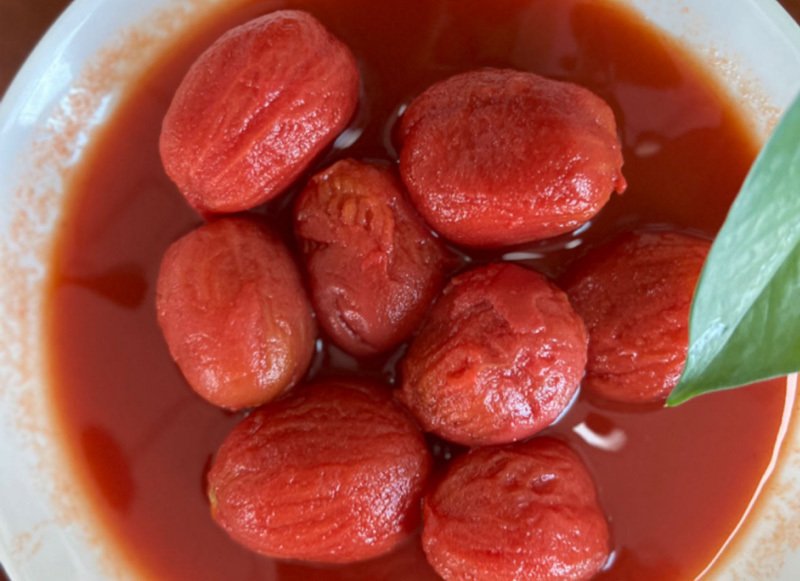
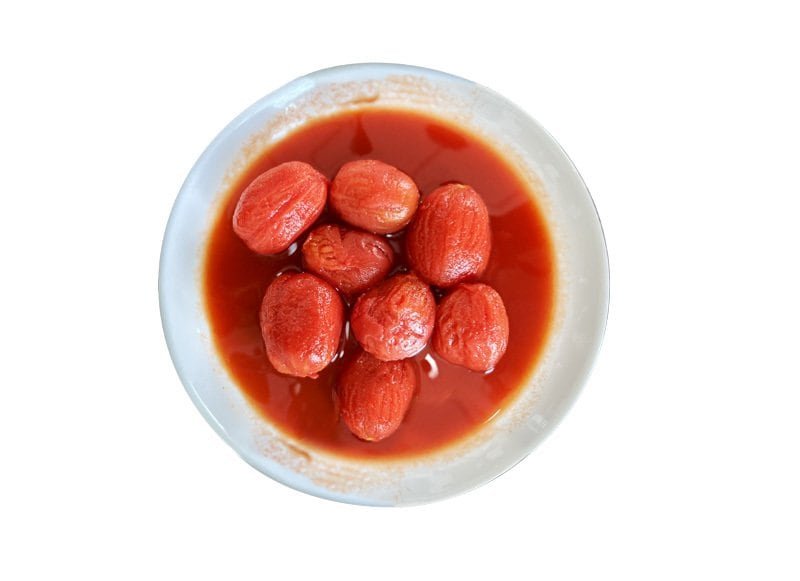
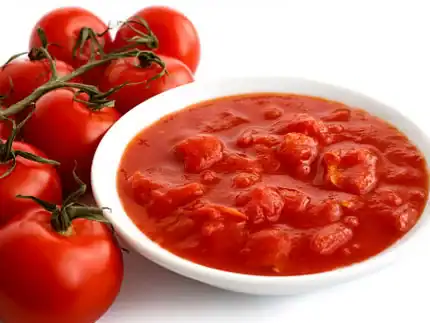
Whole Peeled Tomatoes
These are the gold standard of the tinned tomato world. They undergo minimal heat—usually just a quick flash of steam to slide the skins off—and are packed in natural tomato juice or rich tomato pulp.
- The Calcium Chloride Factor: Whole tomatoes often contain a tiny amount of calcium chloride to help them retain their firm shape in the tin. However, because they have less exposed surface area, they still break down beautifully into a silky, rich sauce when simmered or crushed by hand.
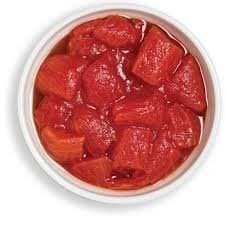
Diced Tomatoes
Cut into uniform cubes, these are engineered to hold their shape under intense heat. Because the dicing process exposes a much larger surface area, these tomatoes absorb more calcium chloride during processing.
- Best Used For: Soups, chunky chilis, and stews where you want distinct, identifiable tomato chunks that won’t melt away during long cooking times. They are not ideal for smooth pasta sauces because they resist breaking down.
Crushed Tomatoes
A coarse mash of tomatoes that gives you a textured, ready-to-use base. Because they are meant to be soft and saucy, they generally do not contain calcium chloride. This means they dissolve incredibly fast when heated, making them the perfect quick-starter for pizza and pasta sauces.
2. The Best Tomato Varieties Used for Tinning
Not all tomatoes are built for the canning process. Standard round salad tomatoes contain too much water and too many seeds. Instead, processors rely heavily on plum tomatoes , prized for their thick walls, low seed count, and natural sweetness.
- Roma Tomatoes: The global backbone of the tinned tomato trade. Roma tomatoes are grown efficiently worldwide. In the US market, for instance, California produces roughly 95% of the commercial processing crop. They are rich, dense, and yield an incredible texture inside the tin.
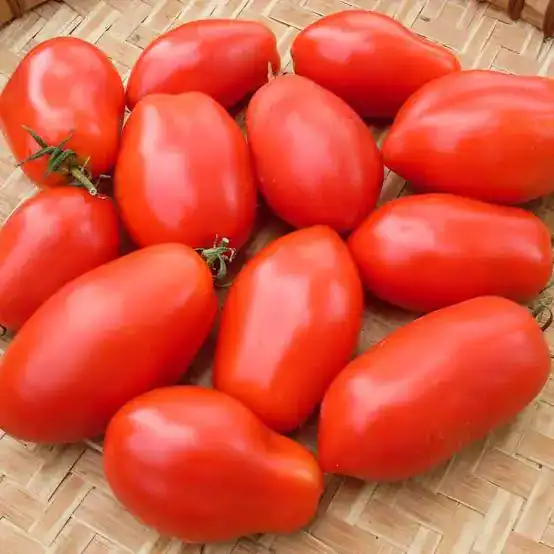
- San Marzano Tomatoes (DOP): The undisputed royalty of the sauce world. True San Marzanos must be grown in the unique volcanic soil of the Sarnese-Nocerino region near Mount Vesuvius in Italy. Just like fine wine, look for the official DOP logo on the tin to guarantee origin. They are famous for their low acidity and elongated shape.
- “San Marzano Style”: Many premium plum tomatoes grown in premium agricultural regions outside Italy are packed as “San Marzano Style.” While not certified Italian, they emulate the same low-seed, high-sweetness profile at a more accessible price point.
3. Common Commercial Tinned Sizes for 2026
Depending on whether you are stocking a home pantry or running a commercial kitchen, tinned tomatoes come in standardized sizes worldwide:
- 14.5 oz / 400g Can: The most ubiquitous consumer size. Perfect for a single-family meal or a quick pasta night. (Substitution Rule: One 14.5 oz tin of diced tomatoes equals roughly 1 pound/454g of fresh Roma tomatoes that you would have to peel and de-seed yourself!)
- 28 oz / 800g Can: The preferred choice for batch-cooking Sunday sauces, medium-scale catering, or large family casseroles.
- No. 10 Can (approx. 3kg / 100 oz): The standard giant cylinder used across B2B wholesale channels, restaurants, pizza shops, and school cafeterias.
4. Shelf Life & Smart Storage Solutions
Tinned tomatoes are exceptionally shelf-stable, but because tomatoes are naturally acidic, proper handling is key to preserving their peak freshness.
Unopened Storage
Keep your tins in a cool, dark, and dry pantry. As long as the tin is structurally sound—meaning no deep dents, swelling, or rust—tinned tomatoes will easily maintain top quality for one to two years. When sourcing in 2026, look for modern tins explicitly labeled “BPA-Free” to ensure the acidic inner lining is completely food-safe. Alternatively, you can find them packed in glass jars or Tetra Pak cartons.
Opened Storage
⚠️ Never store an open tin directly in the fridge! Once oxygen hits the internal metal of an opened can, the tomato acid can react with the tin lining, imparting a metallic tang to your food.
- In the Fridge: Always transfer leftover tomatoes out of the metal can and into an airtight glass or plastic container. Consume within 5 to 7 days.
- In the Freezer: If you have leftover diced or crushed tomatoes from a large tin, they freeze beautifully in freezer-safe bags or sealed containers for up to 3 months.
5. How to Cook with Tinned Tomatoes for Maximum Flavor
Tinned tomatoes taste quite “raw” straight out of the can. To unlock their full potential, professional chefs recommend a simple technique:
- Separate the solid tomatoes from the packing juice.
- Sauté your aromatics (onions, garlic, carrots) in olive oil.
- Add the solid tomatoes to the hot oil first, crushing them with a wooden spoon, and let them fry for a few minutes to evaporate excess water and caramelize their natural sugars.
- Pour the reserved juice back in and let it simmer. This method completely removes the raw, metallic edge and delivers a rich, savory sauce every time.