For global food manufacturers, procurement managers, and B2B buyers, navigating food allergen claims is critical. Among these, “Gluten-Free” is no longer just a dietary trend—it is a strict regulatory and medical requirement for millions of consumers worldwide suffering from Celiac disease or gluten sensitivity.
A common question that frequently arises in supply chain audits is: Is tomato paste inherently gluten-free?
While the short answer is yes, a deep dive into real-world consumer feedback (such as discussions on Celiac forums) reveals that some highly sensitive individuals still report adverse reactions to canned tomato products. To secure your supply chain and provide bulletproof assurances to your clients, this comprehensive report breaks down the gluten-free status of tomato paste from raw materials and industrial engineering to certification and medical context.
1. Ingredients & Raw Materials: Natural Safety vs. Hidden Allergens
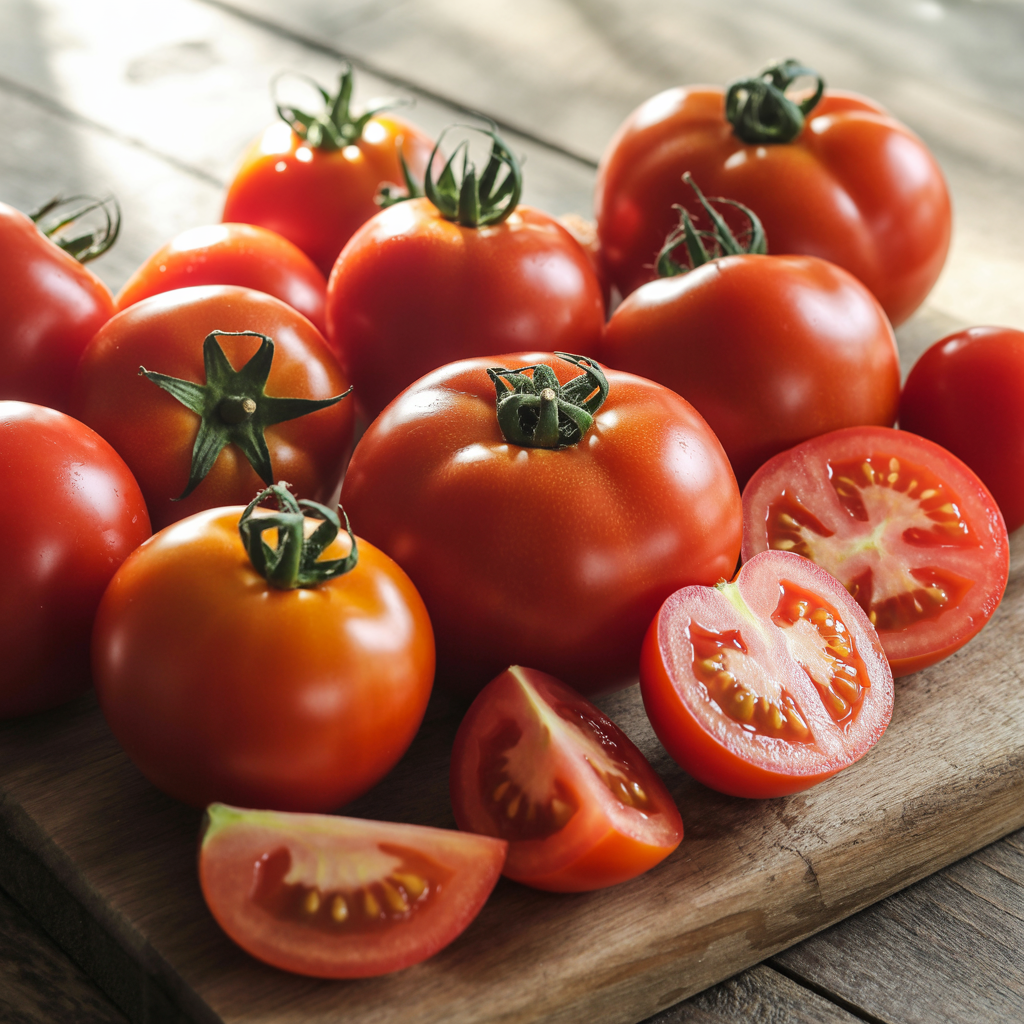
From a purely botanical perspective, tomatoes do not contain gluten. However, the exact product formulation dictates the ultimate allergen profile.
- Pure Tomato Paste (Bulk/Industrial): Made from 100% fresh tomatoes and water (occasionally with a minimal amount of salt), this product is entirely plant-based and inherently gluten-free.
- Tomato Ketchup / Formulated Sauces: Buyers must exercise caution when sourcing consumer-ready or formulated tomato sauces. To enhance thickness, viscosity, or flavor profiles, some manufacturers introduce modified starch or maltose syrup.Crucial Clarification: The presence of modified starch does not automatically mean a product contains gluten. In most instances, checking the ingredient deck will reveal the botanical source. If the starch is derived from corn, tapioca, or potato, it remains completely safe. A gluten risk only emerges if wheat is utilized as the base raw material.
- The Hidden Risk of Spices: Formulated tomato sauces often contain added spices (such as garlic powder, onion powder, or red pepper flakes). If the spice sub-contractor utilizes shared milling machinery to grind grains and spices, these ingredients can become hidden vectors for trace gluten cross-contact.
2. Processing Engineering: Fluid Systems vs. Dry Powder Systems
To understand why pure tomato paste is physically isolated from gluten, one must look at the layout of modern food engineering.
Why Production Lines Do Not Overlap
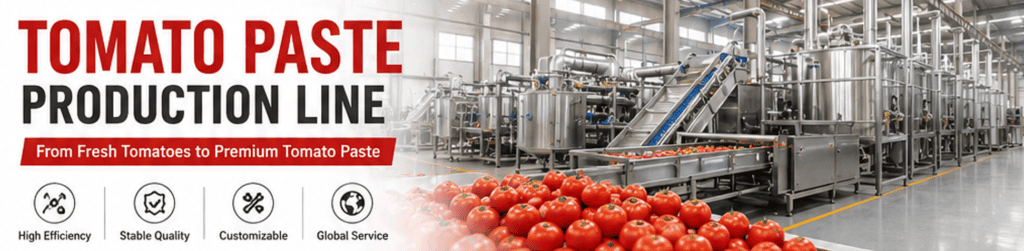
Tomato paste processing is a wet fluid process. It requires highly specialized, closed-loop machinery, including flotation washing channels, thermal crushers, vacuum evaporators, tube-in-tube sterilizers, and aseptic fillers.
Conversely, grain processing (wheat, barley, rye) is a dry powder process dependent on grain siloes, de-stoners, hammer mills, and pneumatic powder transport. From an engineering and sanitation standpoint, these two production environments are entirely incompatible. No commercial facility connects a flour mill to a tomato paste evaporation line.
If you are interested in the production process, feel free to click “How a Tomato Paste Production Line Works.” This illustrated article breaks down the entire process step-by-step to help clear up any confusion.
The True Culprit: Post-Packaging Cross-Contact
When consumers experience gluten reactions from commercial sauces, the issue rarely originates from the primary cooking line. Instead, it occurs during secondary packaging or in multi-functional OEM facilities.
If a multi-product factory bottles wheat-containing BBQ sauces or soy sauces on the same packaging line as tomato sauce without a validated Clean-In-Place (CIP) cycle, or if airborne flour dust settles in a shared warehouse, trace cross-contact (measured in parts per million) can occur.
The Chinese “Dedicated Factory” Advantage
For global buyers sourcing from China, the structural setup of the industry offers a powerful safety buffer.
In China, mainstream industrial tomato paste processing plants operate on a strict “Dedicated Factory” model.
These massive facilities are strategically built near the tomato agricultural belts (such as Xinjiang and Inner Mongolia) and are engineered exclusively for a single fruit category. The entire plant processes tomatoes and tomatoes alone; it is never shared or mixed with grains, wheat, or barley lines. Because no dry flour or grain enters the facility premises, airborne dust contamination is entirely eliminated, offering a pristine industrial ecosystem that guarantees foundational gluten safety.
3. Supply Chain Verification: Required Documentation
In international B2B trade, verbal guarantees are insufficient. To market your product as “Gluten-Free,” your supply chain must be backed by the following internationally recognized documentation:
- Third-Party Lab Testing (ELISA): Per international food standards (Codex Alimentarius – CODEX STAN 118-1979), a food item can only be labeled “Gluten-Free” if its gluten content is below 20 ppm (mg/kg). The gold standard for verification is the R5-ELISA (Enzyme-Linked Immunosorbent Assay) test report, which should be provided per batch.
- HACCP & BRCGS/IFS Certification: Processing facilities must possess Global Food Safety Initiative (GFSI) recognized certifications. These frameworks mandate a strict Allergen Control Program that audits ingredient storage, handling, and potential cross-contact risks.
- Gluten-Free Facility Certification: For premium markets, specialized certifications such as GFCO (Gluten-Free Certification Organization) provide absolute assurance to brand owners.
4. The Consumer Anomaly: Explaining “False Positive” Reactions
Why do some Celiac consumers on forums like Reddit claim that even certified gluten-free canned tomatoes make them sick? Understanding this helps B2B buyers manage customer complaints and mitigate unjustified claims.
- Natural High Acidity & Histamine: A damaged intestinal tract (common in recovering Celiac patients) is highly sensitive. Tomatoes are naturally packed with citric acid, malic acid, and high levels of organic histamines. When consumed in large quantities (e.g., in heavy pasta sauces or soups), this high acidity can trigger severe gastrointestinal irritation, acid reflux, and bloating. Patients frequently mistake this direct tissue irritation for a “gluten reaction.”
- Nightshade Sensitivity: Tomatoes belong to the Solanaceae (nightshade) family, which contains natural alkaloids. A small percentage of the population suffers from a distinct nightshade intolerance, which is entirely separate from grain-based gluten allergies.
5. Mitigation & Emergency Management
If a consumer or an end-user experiences an adverse reaction, the response protocol depends entirely on the nature of the issue:
- For Mild Gastric Distress (Acidity/Irritation): Cease consumption immediately. Hydrate heavily to dilute the acids in the stomach, and consult a physician regarding the temporary use of probiotics or gastric mucosal protectants to soothe the intestinal lining.
- For Celiac Flare-ups (Trace Cross-Contact): There is no medical cure for a Celiac flare-up. The individual must revert to a strict, absolute Gluten-Free Diet (GFD), allowing the intestinal villi time to naturally regenerate and heal over several days or weeks.
- For Acute Allergic Anaphylaxis: In the rare event that a highly formulated sauce contains undeclared wheat allergens that trigger severe symptoms (e.g., swelling of the throat, wheezing, or difficulty breathing), emergency medical services must be contacted immediately, and an epinephrine auto-injector (EpiPen) should be administered without delay.
Summary for B2B Procurement
| Risk Factor | Multi-Product Shared Facility | Dedicated Chinese Processing Plant |
| Equipment Configuration | Potential sharing of packaging lines with complex sauces. | 100% Dedicated Lines. Zero grain or flour processing on site. |
| Airborne Contamination | Moderate risk of flour dust transfer in shared spaces. | Zero Risk. Pure fluid-handling environment. |
| Ingredient Verification | Requires multi-tier supplier audits for modified starches. | Pure paste is 100% tomato. Formulated batches feature transparent botanical tracing. |
By partnering with an integrated supply chain provider that utilizes dedicated-factory processing and conducts rigorous R5-ELISA batch testing, global food brands can completely secure their inventory against gluten liabilities, ensuring safety from field to final package.