Key Takeaways
- Food processing buyers require high Brix (28–38°Bx) for efficiency and cost control.
- Retail markets prioritize packaging, appearance, and consumer appeal.
- Choosing the wrong type can increase cost and reduce product performance.
- The best choice depends on your application, packaging needs, and target market.
1. Why Application Matters
Tomato paste is not a one-size-fits-all product.
👉 The same product cannot meet both industrial processing and retail distribution needs.
👉 Choosing based on application ensures:
- Better performance
- Lower cost
- Higher customer satisfaction
2. Tomato Paste for Food Processing
Recommended for:
- Food factories
- Sauce manufacturers
- Ketchup producers
Key Requirements:
✔ High Brix (28–30°Bx or 36–38°Bx)
- More concentrated
- Lower usage per batch
✔ Industrial Packaging
- 220L drums
- Large aseptic packaging
✔ Stable Quality
- Consistent viscosity
- Uniform color
Advantages:
- Reduces production cost
- Improves efficiency
- Suitable for large-scale operations
👉 Typical use cases:
- Ketchup production
- Pasta sauce
- Ready meals
👉 How to Choose the Right Brix Level
3. Tomato Paste for Retail Markets
Recommended for:
- Supermarkets
- Distributors
- Brand owners
Key Requirements:
✔ Consumer Packaging
✔ Visual Appeal
- Bright red color
- Smooth texture
✔ Moderate Brix (22–30°Bx)
- Suitable for home cooking
Advantages:
- Easy to sell
- Consumer-friendly
- Flexible distribution
👉 Typical use cases:
- Household cooking
- Small restaurants
- Retail resale
4. Key Differences (Quick Comparison)
| Factor | Food Processing | Retail |
|---|---|---|
| Brix | 28–38°Bx | 22–30°Bx |
| Packaging | Drums / bulk | Small cans |
| Priority | Efficiency | Appearance |
| Buyer type | Factories | Distributors |
5. Cost Perspective (Critical Insight)
Food Processing:
- Higher Brix → higher price per ton
- BUT → lower usage
👉 Result:
❗ Lower total production cost
Retail:
- Lower Brix acceptable
- Focus on packaging and branding
6. How to Choose Based on Your Business
If you are a factory:
👉 Choose:
- 36–38°Bx (best efficiency)
- Drum packaging
If you are a wholesaler:
👉 Choose:
- 28–30°Bx (balanced choice)
- Flexible packaging
If you are a distributor:
👉 Choose:
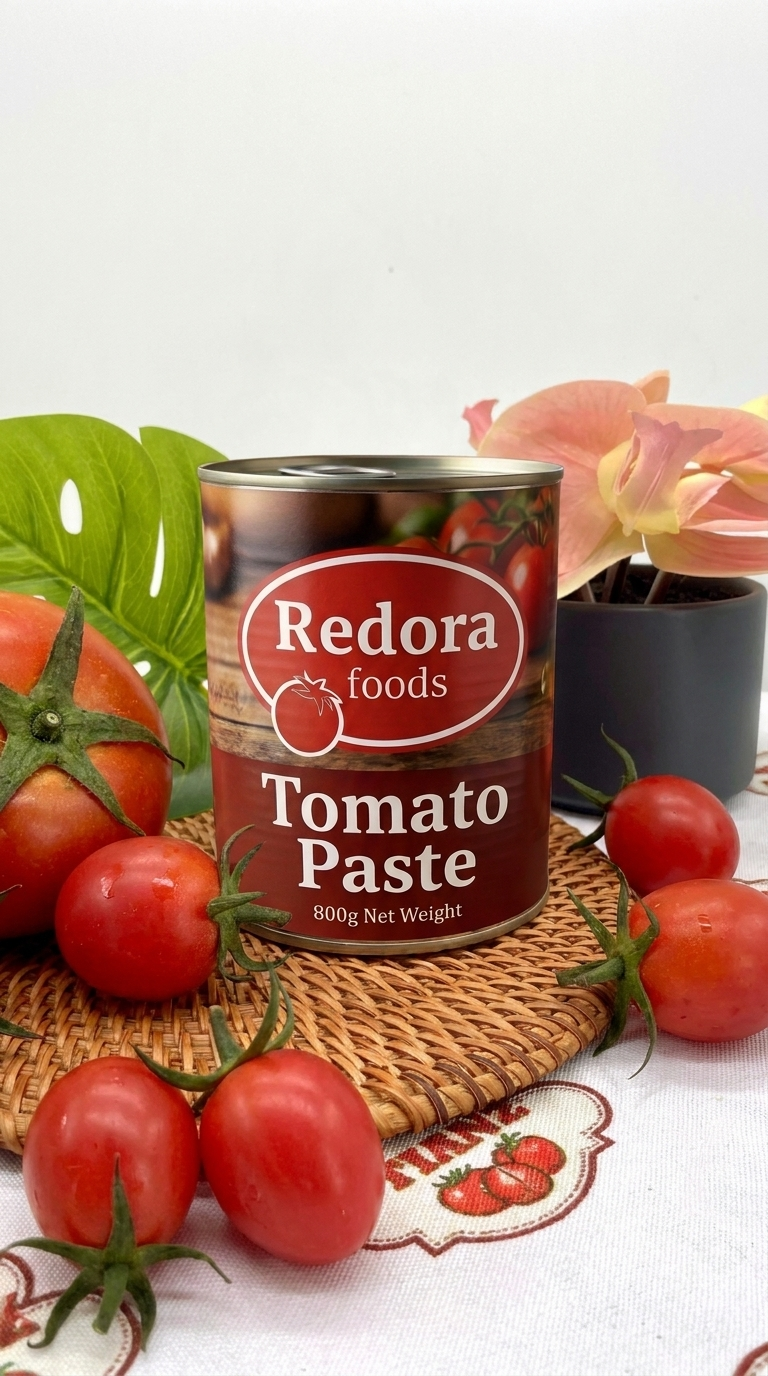
- Small canned products
- Attractive packaging
7. Common Mistakes Buyers Make
❌ Using retail products for industrial use
👉 Leads to higher cost
❌ Choosing high Brix for retail unnecessarily
👉 Increases price without benefit
❌ Ignoring packaging requirements
👉 Causes logistics issues
8. Recommended Strategy
For most international buyers:
👉 Use a mixed strategy
- Bulk (28–30°Bx or 36–38°Bx) for processing
- Small cans for distribution
👉 This maximizes both:
- Efficiency
- Market coverage
9. FAQ Section
Q1: Can one type fit all applications?
No, different applications require different specifications.
Q2: What is the most common choice for export?
28–30°Bx tomato paste is the most widely used.
Q3: Is high Brix always better?
Only for industrial use—not necessary for retail.
10. Get a Quote
Looking for the right tomato paste for your business?
We offer:
- Multiple Brix levels (22–38°Bx)
- Flexible packaging options
- Stable bulk supply
👉 Contact us today for a custom quotation or free sample.