Key Takeaways
- Brix (°Bx) measures the percentage of soluble solids in tomatoes, primarily natural sugars and organic acids.
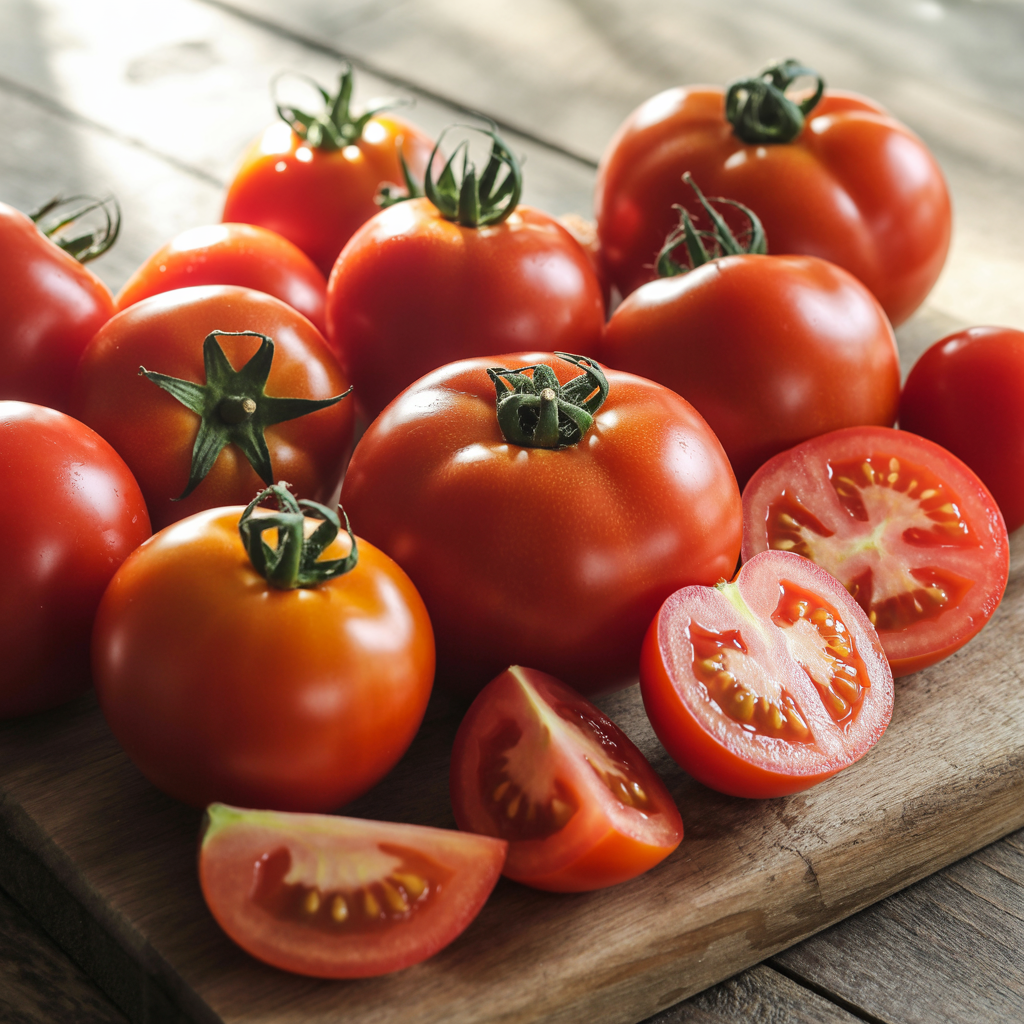
- Fresh tomatoes typically range from 4–7°Bx, heavily dependent on genetic variety and harvest maturity.
- Processing tomatoes usually require a higher baseline Brix (5–7°Bx) to ensure industrial manufacturing efficiency.
- A higher starting Brix directly translates to better flavor concentration and a significantly higher processing yield.
1. Definition of Brix
Brix is the universal measurement of the soluble solids content suspended in a liquid or food product. In the agricultural and food processing sectors, it is calculated using the following formula:

In tomatoes, these soluble solids are not just random matter; they define the fruit’s entire flavor and nutritional profile, consisting mainly of:
- Natural sugars (predominantly glucose and fructose)
- Organic acids (which balance the sweetness and preserve the paste)
- Minor soluble nutrients and trace minerals
2. Typical Brix Levels in Fresh Tomatoes
Brix levels fluctuate drastically depending on the genetic tomato type, regional growing conditions, and the exact stage of ripeness at harvest.
| Tomato Type | Typical Brix Level | Commercial Application |
| Standard Fresh Tomatoes | 4–6°Bx | Retail grocery, bred for size and water weight. |
| Processing Tomatoes | 5–7°Bx | Industrial extraction (e.g., Heinz 3402). |
| High-Quality / Specialty | 6–8°Bx | Premium culinary use (e.g., cherry or dry-farmed varieties). |
The Flavor Rule:
- Lower Brix (4–5°Bx): Results in a more watery, milder flavor, typical of heavy greenhouse table tomatoes.
- Higher Brix (6–8°Bx): Delivers a sweeter, richer taste with minimal water dilution.
3. Why Brix Matters in Tomato Processing
For industrial applications—specifically bulk tomato paste production—Brix is the single most critical factor dictating a factory’s profitability.
3.1 Processing Efficiency (Yield)
Higher Brix tomatoes require significantly less water removal during the vacuum concentration process.
- Low Brix tomatoes mandate extreme evaporation times, driving up heavy energy costs and slowing down factory throughput.
- High Brix tomatoes allow for rapid concentration, maximizing daily processing efficiency.
3.2 Cost Advantage
Brix directly dictates the raw material production cost. A higher raw material Brix means a lower processing cost per metric ton of paste. Factories achieve a substantially higher volume of finished product from the exact same tonnage of raw tomatoes.
3.3 Flavor and Quality
Because less extreme heat processing is required to evaporate the water, high-Brix tomatoes retain a more intense, natural tomato flavor, a brighter red color, and a smoother consistency in the final product.
4. Fresh Tomato Brix vs. Tomato Paste Brix
| Product State | Typical Brix Range |
| Fresh Tomatoes | 4–7°Bx |
| Tomato Paste | 22–38°Bx |
Key Difference: Tomato paste is essentially highly concentrated tomato solids. This density is achieved by systematically boiling away the water from fresh tomatoes inside low-temperature vacuum evaporators.
5. Industry Standard Brix for Tomato Paste
In global B2B trade and bulk supply, tomato paste pricing and application are classified entirely by their final Brix levels:
- 22–24°Bx (Single Concentrated): Standard concentration used for lighter retail sauces and canned soups.
- 28–30°Bx / 30–32°Bx (Double Concentrated): The most common export grades. This is the global standard for bulk buyers, maximizing ocean shipping container efficiency for ketchup and pizza sauce manufacturing.
- 36–38°Bx (Triple Concentrated): Premium, high-density grade reserved for heavy industrial reconstitution.
6. Why High-Brix Tomatoes Are Preferred
Processing factories aggressively seek out high-Brix raw tomatoes because they fundamentally improve production efficiency, reduce massive energy consumption, increase output yield, and enhance the final product’s color and taste.
This is exactly why specific agricultural zones—such as Xinjiang, China—dominate global tomato paste production. Xinjiang’s extreme climate (abundant intense sunlight combined with massive day-to-night temperature drops) locks a naturally high and stable Brix into the tomatoes, making them the ultimate raw material for industrial processing.
7. Practical Application in Supply and Trade
When sourcing bulk tomato products, procurement managers must evaluate the entire lifecycle of the soluble solids. The raw tomato Brix dictates the factory’s production efficiency, while the final product Brix dictates the buyer’s shipping costs and manufacturing usage. For example, raw tomatoes harvested at a strong 6–7°Bx can be highly efficiently processed into 30–32°Bx double concentrated paste, providing the ideal yield and cost-effectiveness for bulk industrial buyers.
Ultimately, Brix in tomatoes represents the natural concentration of soluble solids and serves as the ultimate indicator of both flavor profile and commercial processing value. For global buyers and food processors, mastering the Brix scale is the key to optimizing final product quality, maximizing production efficiency, and maintaining strict cost control across the supply chain.