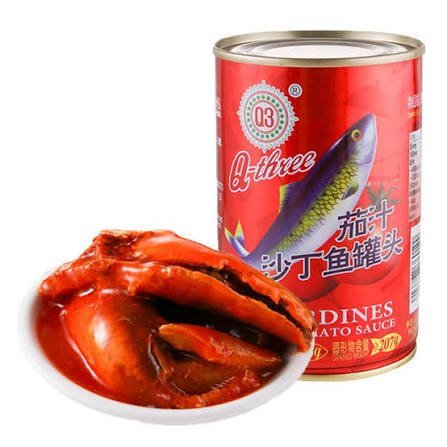
Executive Summary: Canned seafood processing is one of the most brutal environments for food ingredients. When sealing sardines or mackerel in tomato sauce, the product must survive a rigorous 115°C to 121°C retort sterilization process for 45 to 90 minutes. For procurement and R&D directors, choosing the wrong bulk tomato paste results in dark, bitter sauces, watery consistencies, and even tinplate corrosion.
As a primary manufacturer, Redora Food Company understands that producing canned seafood requires extreme physical and thermal stability from your raw materials. Here is a definitive guide on how to evaluate tomato paste to solve the four biggest pain points in the seafood canning industry.
1. The Ultimate Test: Retort Stability and Browning
Once the tin is sealed, the 121°C high-pressure retort process begins. This is where low-quality tomato paste fails. Prolonged extreme heat accelerates the Maillard reaction (caramelization), transforming a vibrant red sauce into a dark, muddy brown liquid with a bitter, burnt aftertaste.
The Solution: For canned seafood applications where a bright initial tomato color is important, 28–30° Brix Cold Break paste can be a suitable option because its lower break temperature generally helps retain fresh color and flavor characteristics. Final retort color, however, also depends on formulation and sterilization conditions.
2. The Battle Against “Watery Sauce”: Viscosity vs. Fish Exudate
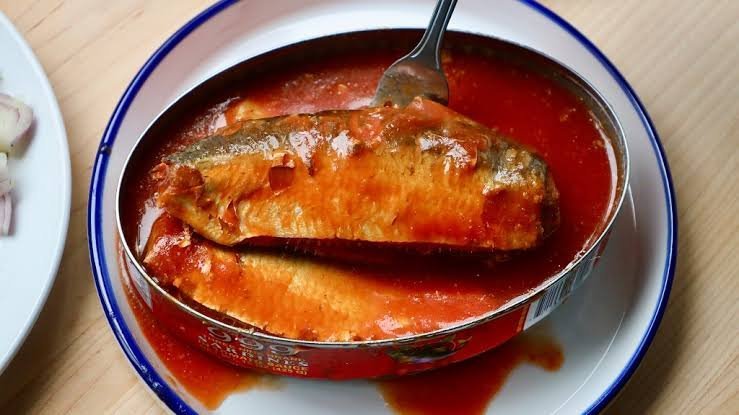
Raw or lightly pre-cooked fish releases a massive amount of water and natural oils during the retort process. If the tomato paste lacks structural integrity, the sauce will suffer from severe syneresis (water separation). Instead of a rich sauce clinging to the fish, you are left with a thin, watery soup.
The Solution: While your R&D team will likely incorporate modified starches to handle this extreme moisture release, the base tomato paste must provide a solid foundation.
- High Solid Content: Our 28-30% Brix paste provides the dense solid matter required to absorb exudate.
- Colloid Compatibility: Our paste features a smooth, uniform cellular structure that blends seamlessly with commercial thickeners (like modified starches or guar gum) without clumping, ensuring a thick, glossy sauce that perfectly coats every sardine.
3. Acidity (pH) Balance: Tinplate Corrosion & Meat Texture
In seafood canning, tomato paste serves a dual purpose: adding flavor and neutralizing the “fishy” odor. However, acidity is a double-edged sword.
If the pH of the tomato paste is too low (excessively acidic):
- Corrosion Risk: Even with internal tinplate coatings, extreme acidity significantly increases the risk of metal corrosion over a 24-month shelf life, leading to free metal migration and dangerous can swelling.
- Texture Degradation: High acidity can denature the fish proteins too aggressively during the high-heat retort, resulting in tough, dry, and chalky fish meat.
The Solution: We implement rigorous pH monitoring during our vacuum concentration phase. Our paste delivers a highly stabilized, moderate pH level. This provides just enough tanginess to perfectly mask the fishy odor while protecting the structural integrity of your tinplate cans and keeping the fish meat tender and juicy.
4. Sensory Baselines: Zero Impurities
Canned fish in tomato sauce is expected to have a smooth, soup-like consistency. If a consumer bites into a hard tomato seed or spots black specks in the red sauce, it immediately triggers food safety complaints and damages brand trust.
The Solution:
- Ultra-Fine Sieving: We utilize precision 0.6mm to 0.8mm screens to filter our paste.
- Purity Guarantee: Our mechanical extraction and optical sorting processes guarantee a paste that is 100% free from dark spots, skin fragments, and seeds. You receive a pure, velvety tomato concentrate that enhances the premium feel of your canned seafood.
Secure Your Canning Production Line
Surviving the 121°C retort process requires more than just standard tomato paste; it requires an engineered ingredient. Do not let browning, watery sauces, or unstable pH levels compromise your canned seafood brand.
[ Contact the Redora Food Export Team ] Reach out today to request technical data sheets (COA), pH specifications, and free samples of our retort-stable 28-30% Cold Break tomato paste.