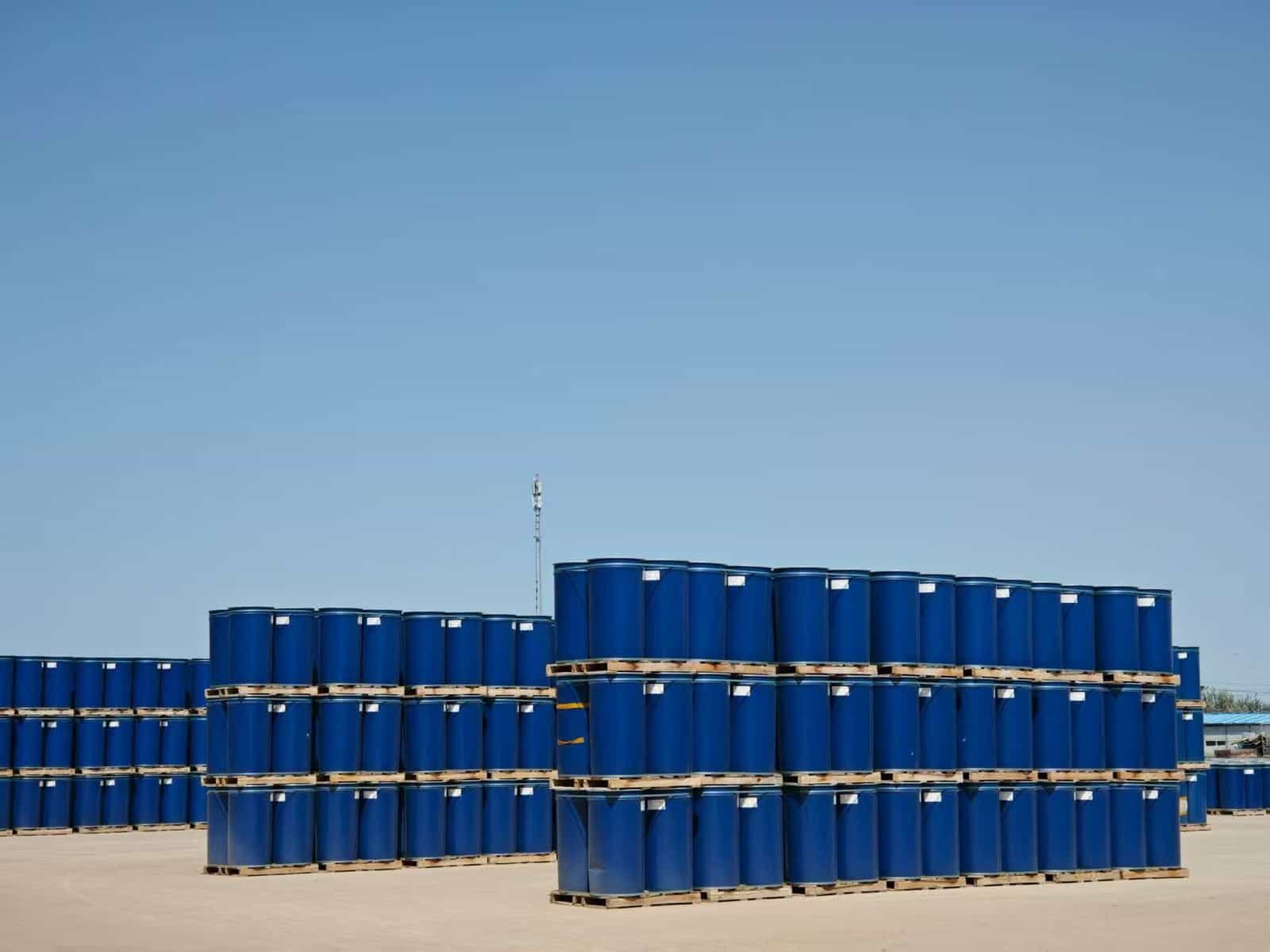
Drum tomato paste is concentrated tomato paste supplied in large drums for bulk purchasing, food manufacturing and repacking. It is commonly packed in a food-grade aseptic bag inside a protective steel drum.
The word “drum” describes the packaging format, rather than a particular recipe or concentration. Buyers still need to specify the Brix level, processing method, ingredients and quality parameters required for their application.
For example, two drums may look identical but contain tomato paste with different concentrations and consistency characteristics. Understanding these differences helps buyers select a suitable ingredient for their production process.
How Is Drum Tomato Paste Made?
Tomato paste production generally involves washing and sorting tomatoes, crushing them, applying a controlled heat treatment, removing unwanted skin and seeds, and concentrating the tomato material by removing water.
For aseptic products, the paste receives a suitable thermal treatment and is filled into presterilized packaging under controlled aseptic conditions. The outer drum protects the inner bag during handling and transportation.
The resulting product is a concentrated ingredient that food manufacturers can dilute, blend, season or process further. It is different from finished ketchup, which normally contains additional ingredients such as vinegar, sugar, salt and seasonings.
Common Brix Levels of Drum Tomato Paste
Brix is used to describe soluble solids concentration. For tomato paste, it helps buyers compare concentration grades, although the measurement basis and any correction for added salt should be specified.
Common options in Redora’s drum tomato paste range include:
| Brix Level | What It Means for Selection | Available Product |
|---|---|---|
| 28–30 Brix | A concentration option to assess against the required formulation, consistency and processing conditions | 28–30 Brix Drum Tomato Paste |
| 30–32 Brix | A higher concentration option; the hot break specification should also be checked for sauce production | 30–32 Brix Hot Break Tomato Paste |
| 36–38 Brix | A more concentrated option requiring appropriate dilution, blending and handling arrangements | 36–38 Brix Cold Break Tomato Paste |
Higher Brix does not automatically mean better quality or better performance in every recipe. Colour, flavour, consistency, processing method and ingredient composition also matter.
When comparing prices, consider the cost of the required tomato solids rather than only the price per metric ton. A meaningful comparison should use the same solids measurement basis and account for freight, processing requirements and product specifications.
Hot Break vs. Cold Break Tomato Paste
Hot break and cold break refer to different heat-treatment conditions during the early processing of crushed tomatoes. Both can be used to produce concentrated tomato paste.
Hot break processing more effectively limits the activity of enzymes that break down pectin. Under comparable concentration and testing conditions, this generally helps retain greater consistency.
Cold break processing allows more pectin breakdown and generally produces lower consistency under comparable conditions. Buyers may select it according to the colour, flavour and texture requirements of their finished products. mro.massey.ac.nz
Hot break is therefore a useful option to evaluate for products requiring body, such as ketchup and certain sauces. Cold break should be assessed against the intended formulation rather than treated as a universally better or worse grade.
For a reliable comparison, request the Bostwick result together with the test concentration, temperature and measurement time. Comparing results obtained under different conditions can be misleading.
How Is Drum Tomato Paste Packed?
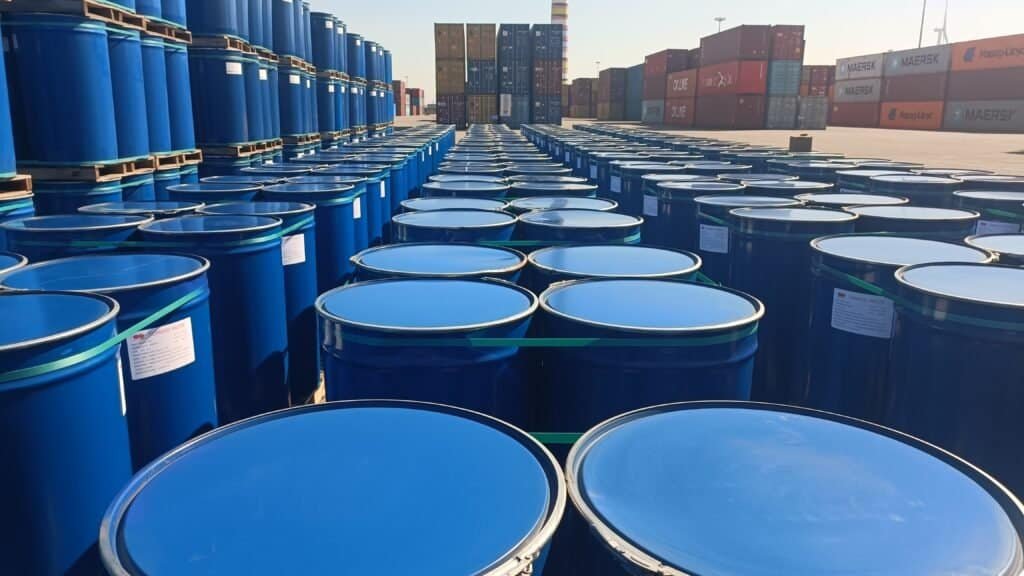
A typical aseptic drum pack has two main components:
- Inner aseptic bag: contains the tomato paste and maintains the protected product environment while intact.
- Outer steel drum: provides mechanical protection for storage, handling and transport.

What Is the Difference Between 220L and 235kg?
These figures describe different measurements:
| Description | Meaning |
|---|---|
| 220L | The nominal capacity of the drum |
| 235kg | The net weight of tomato paste inside the package |
| Gross weight | The combined weight of the paste and its packaging |
Redora’s 235kg tomato paste packaging uses a 220L steel drum with an inner aseptic bag.
However, 220L should not be treated as a universal conversion to 235kg. Buyers should confirm the actual filling weight for the selected product and packaging configuration.
Larger bulk containers may also be available. Their construction, filling weight and unloading requirements should be evaluated separately from standard drum packaging.
What Is Drum Tomato Paste Used For?
Drum tomato paste is primarily intended for businesses that process substantial quantities of tomato ingredients.
Typical applications include:
- Ketchup and condiment production: blended with other ingredients to achieve the required flavour and consistency.
- Pizza and pasta sauces: used as a concentrated tomato base.
- Soups and prepared foods: incorporated into recipes for tomato flavour, colour and solids.
- Canned food production: used in tomato-based sauces for beans, fish and other products.
- Repacking: processed and filled into smaller cans, pouches or other consumer formats.
Repacking requires suitable food-processing equipment and controls. Opening a bulk aseptic bag and transferring the contents does not automatically preserve the original shelf-life conditions.
What Should Buyers Check Before Ordering?
A quotation should identify the product specification as clearly as the packaging.
| Item to Check | Information to Request |
|---|---|
| Concentration | Brix range and measurement basis |
| Processing method | Hot break or cold break |
| Ingredients | Tomato-only formulation or any added ingredients |
| Consistency | Bostwick specification and testing conditions |
| Colour | Colour measurement system and sample preparation conditions |
| Quality documentation | Product specification and batch-specific Certificate of Analysis |
| Packaging | Bag type, drum capacity, net weight and gross weight |
| Logistics | Pallet arrangement, loading quantity and destination requirements |
| Storage | Unopened shelf life, storage conditions and instructions after opening |
A product specification states the agreed requirements. A Certificate of Analysis, or COA, reports results for an identified batch. Buyers should check that the documentation corresponds to the product being supplied.
Samples are also useful for assessing performance in the actual recipe and production process before placing a larger order.
Frequently Asked Questions
Is drum tomato paste the same as ketchup?
No. Drum tomato paste is generally a concentrated ingredient for further processing. Ketchup is a formulated condiment with additional ingredients and a finished flavour profile.
Does drum tomato paste need refrigeration?
Unopened aseptic products may be stored without refrigeration when their specification permits it. Follow the supplier’s stated temperature limits and storage instructions. Once opened, the aseptic protection is lost and different handling requirements apply.
Is 36–38 Brix cold break paste more viscous than hot break paste?
Brix alone cannot answer this question. Concentration, processing method and testing conditions all affect consistency. Compare products at the same test concentration and temperature using the same method.
How do I choose the right drum tomato paste?
Start with your finished product requirements, then compare concentration, consistency, colour, ingredients and packaging. Validate the selected grade through samples and production trials.
Explore Redora’s drum tomato paste range to compare concentration grades and bulk packaging options.